This is a great time to be involved in maths education: there’s a collective movement towards developing deep, conceptual and varied learning experiences; teachers are being proactive in promoting positive attitudes towards maths; maths hubs are growing in their influence.
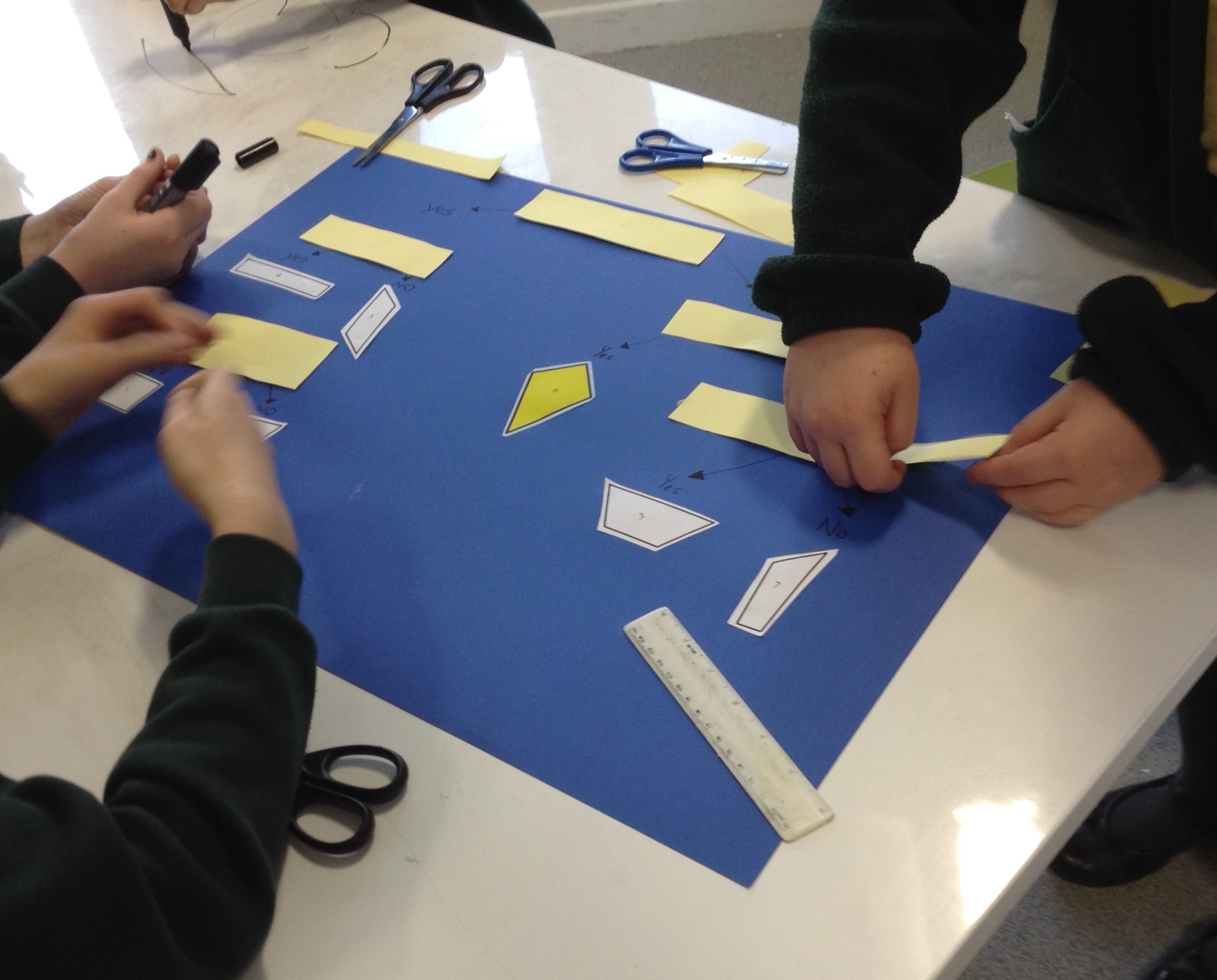
I’m excited to play my part in this movement. Put simply, I spend hours thinking about and trialling ways to get children involved in maths tasks that are collaborative, open and (wherever possible) visual. I want children to become engrossed in maths; to experience its agonies and thrills, engaging emotionally as well as intellectually.
Here’s what you can expect from me in 2016-2017:
Resources:
I can’t wait to release Maths Outside the Box, the natural follow-up to First Class Maths. The 15 tasks (logic puzzles, multi-dimensional tasks and investigations) will give children challenging, quirky contexts in which to apply their learning. The perfect way to end a unit of work – it’s been SO much fun writing and trialling.
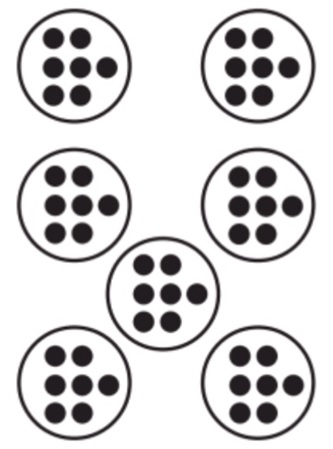
I See Multiplication and Division for iPad is also coming soon. It allows teachers to create a range of visual images to represent calculations, including proportionally sized bar models, area models, dot patterns and arrays. It’s the natural follow-on to ‘I See Addition and Subtraction’.
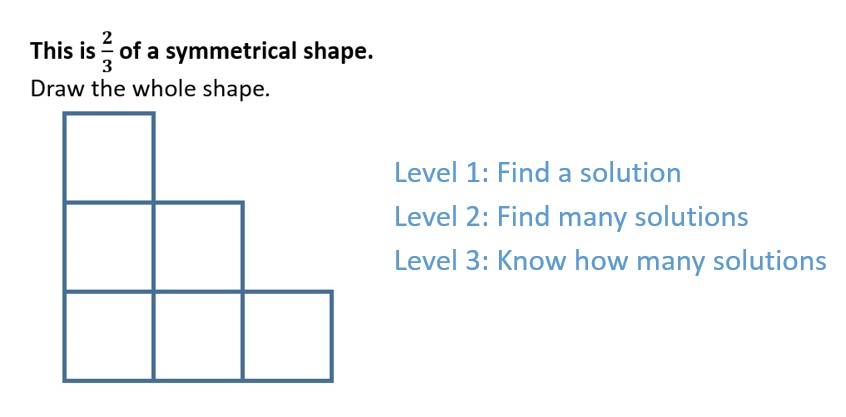
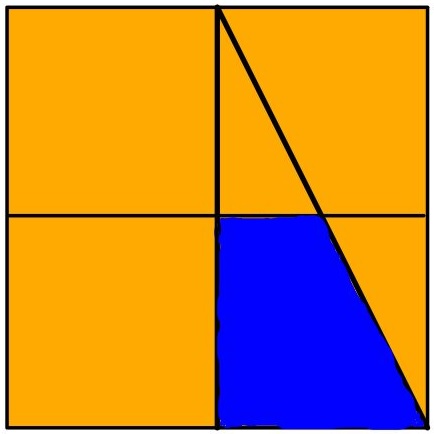
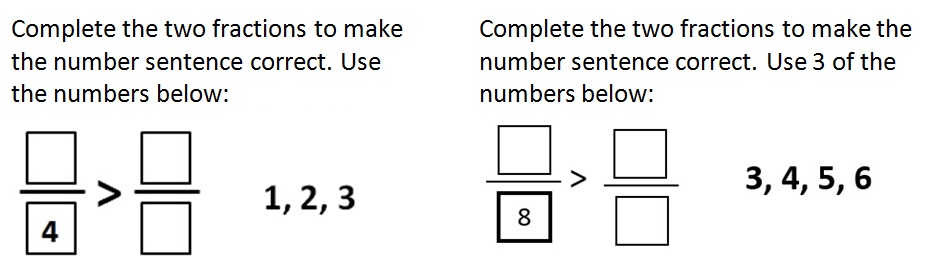
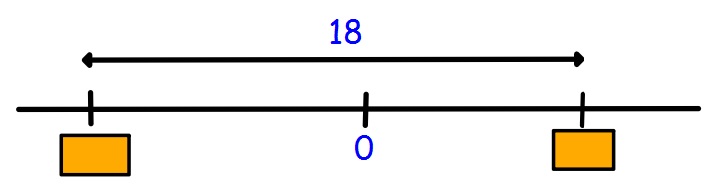
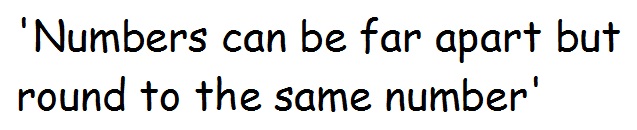
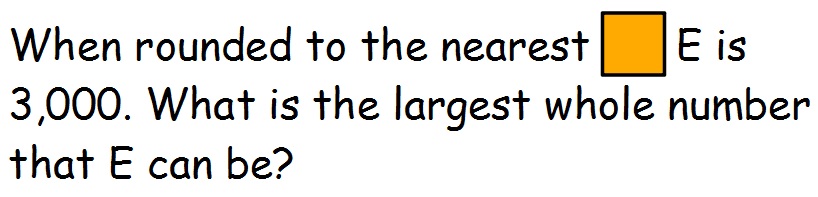
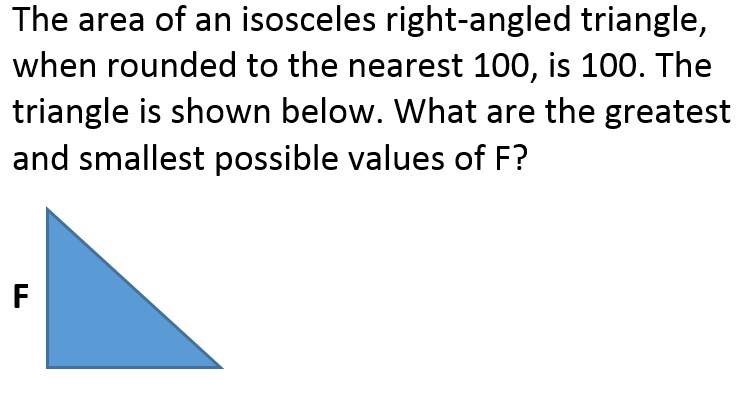
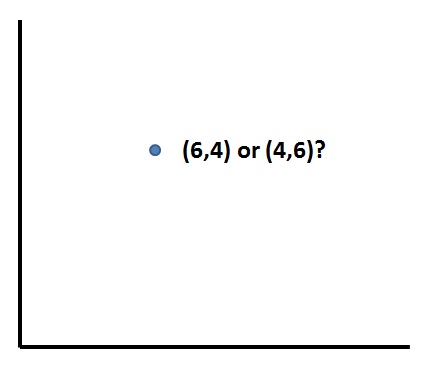
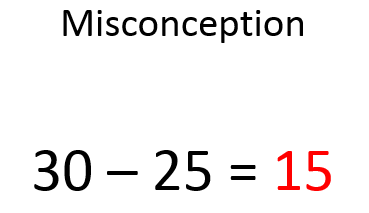
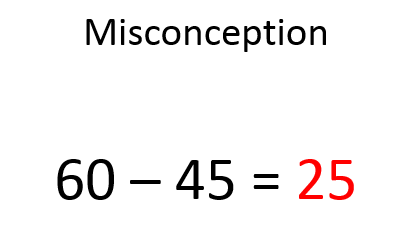
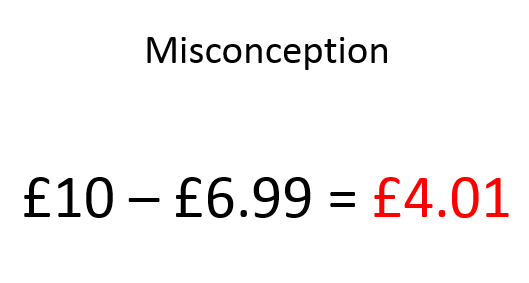
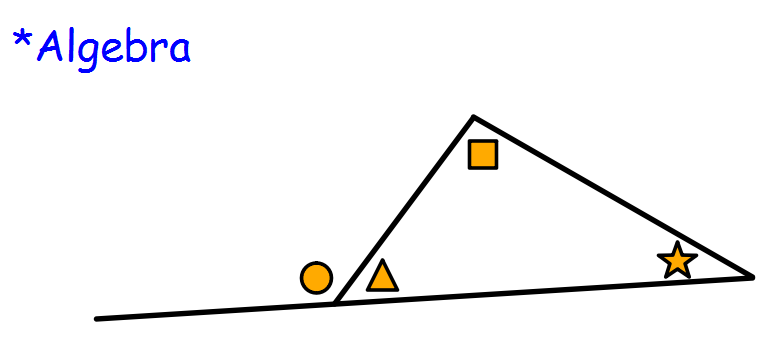
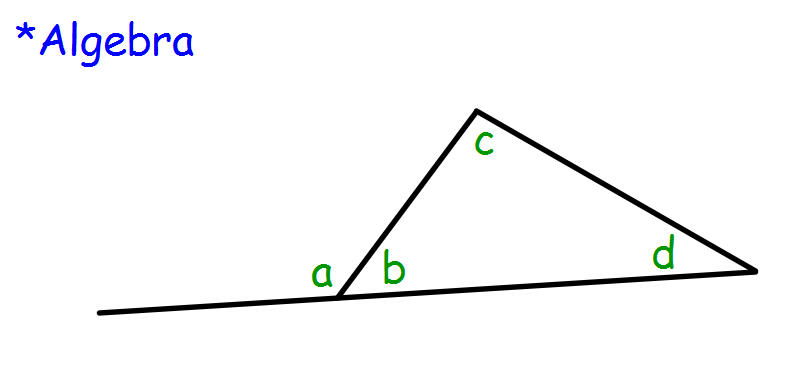
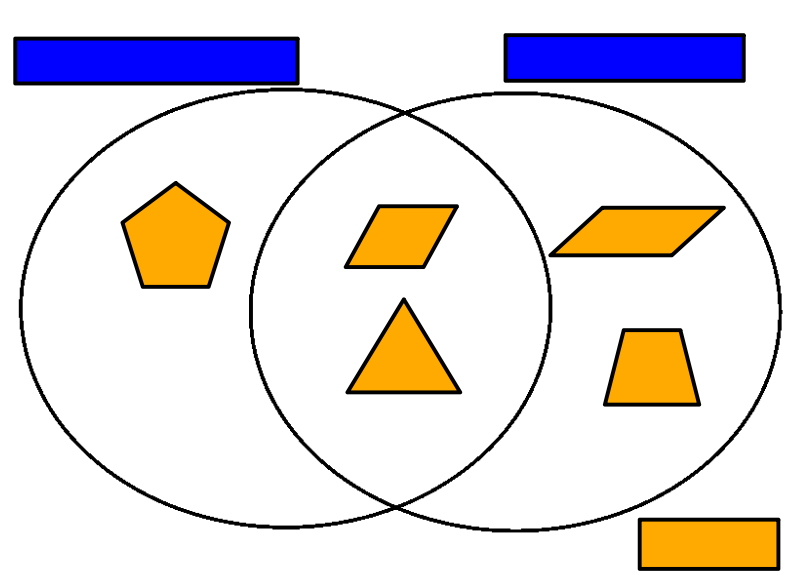
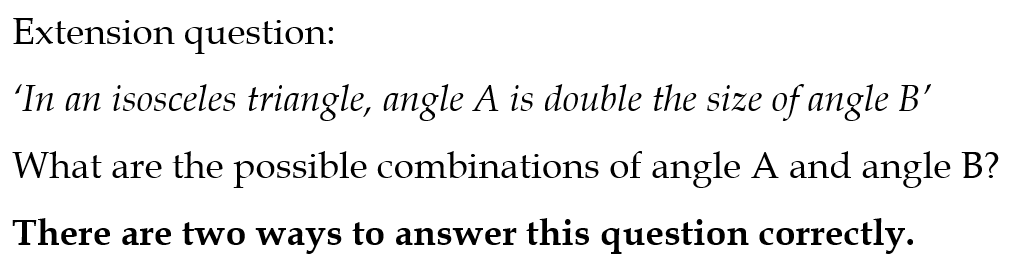
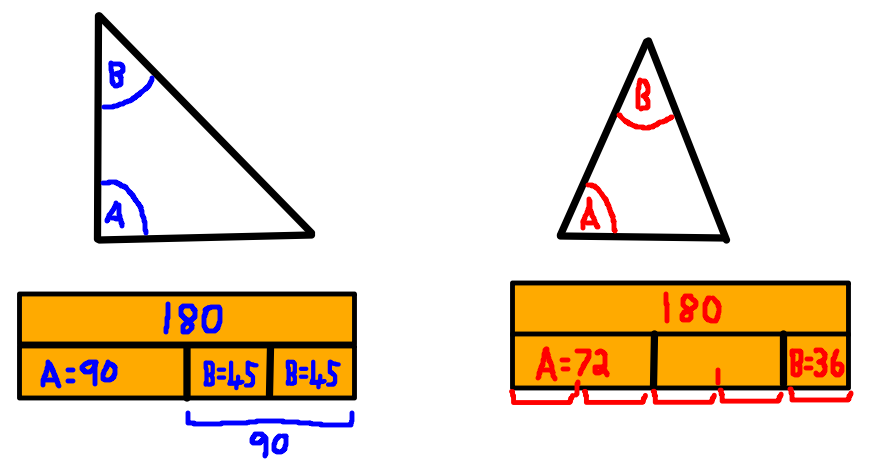
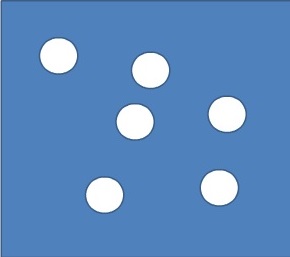
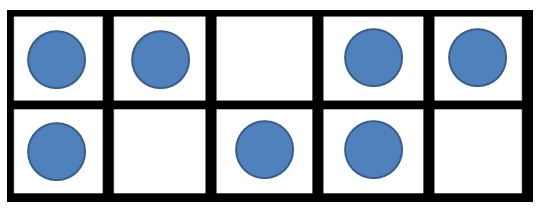
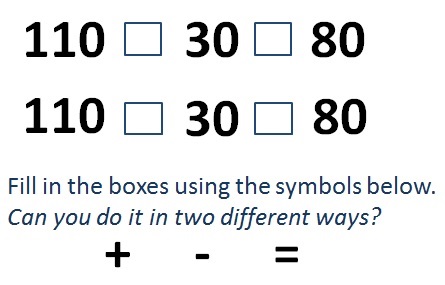
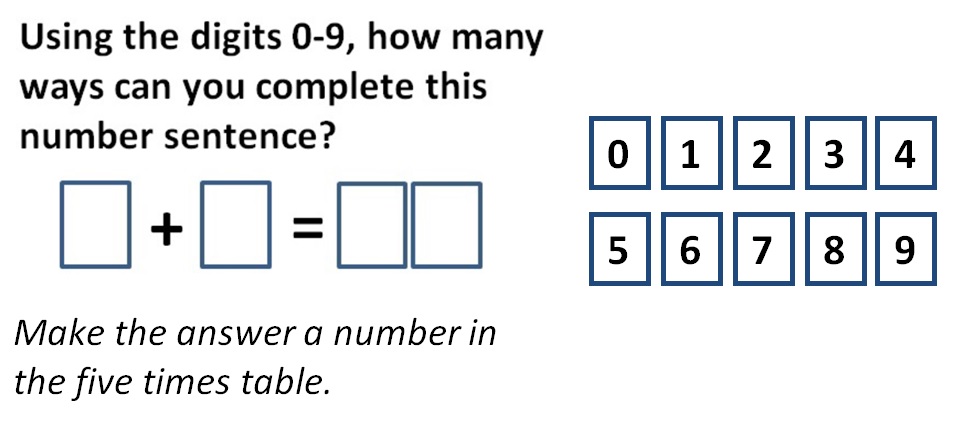
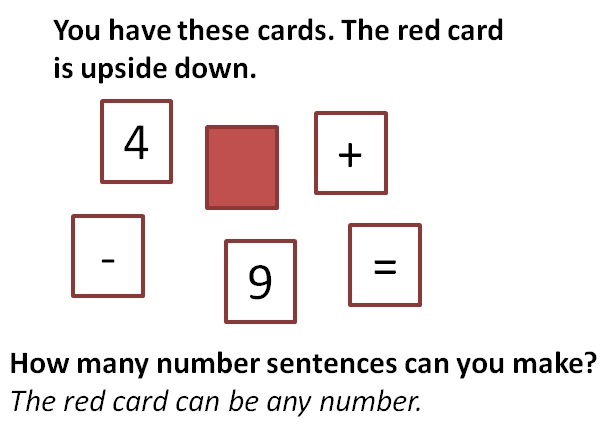
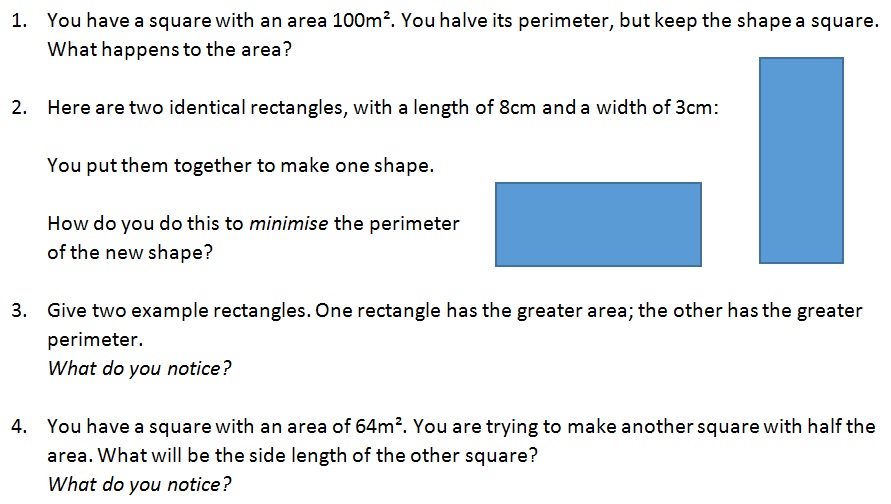
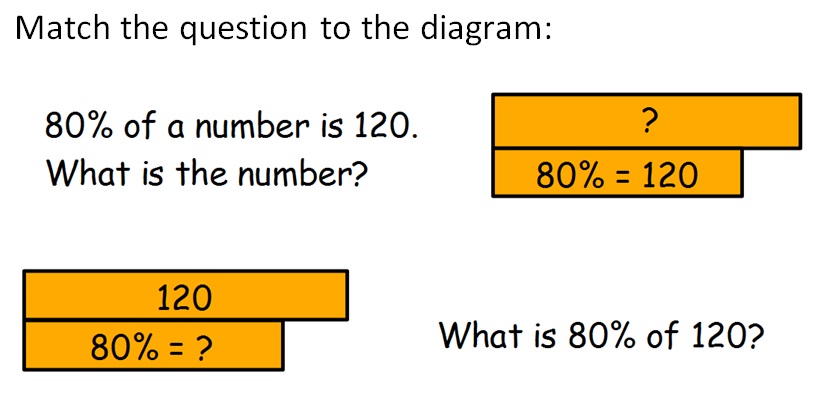
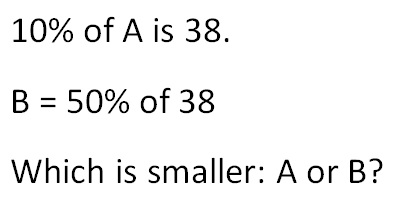
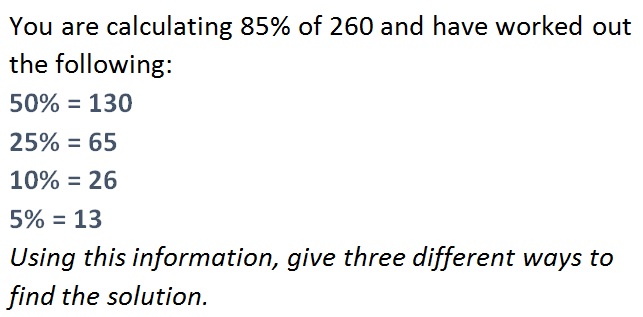
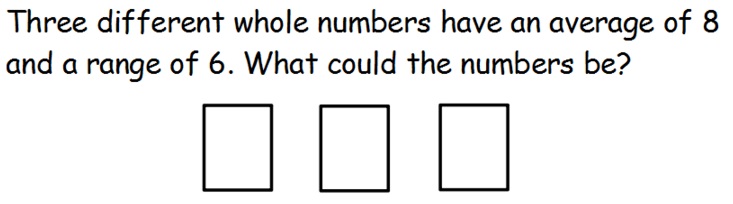
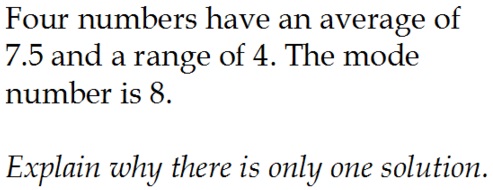
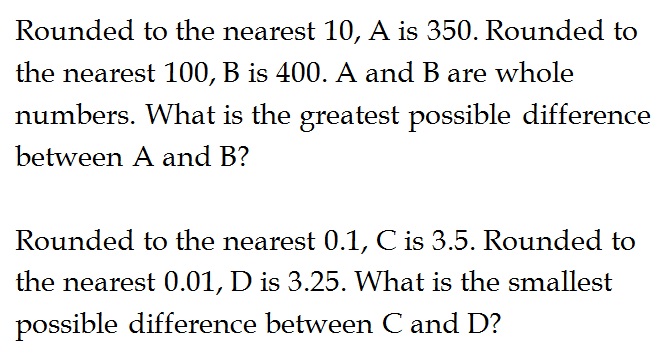
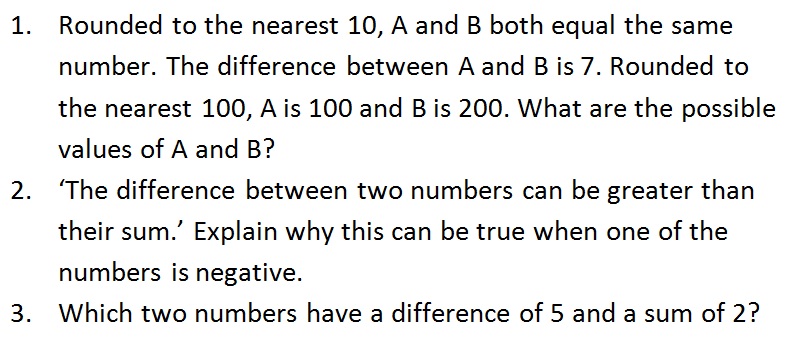
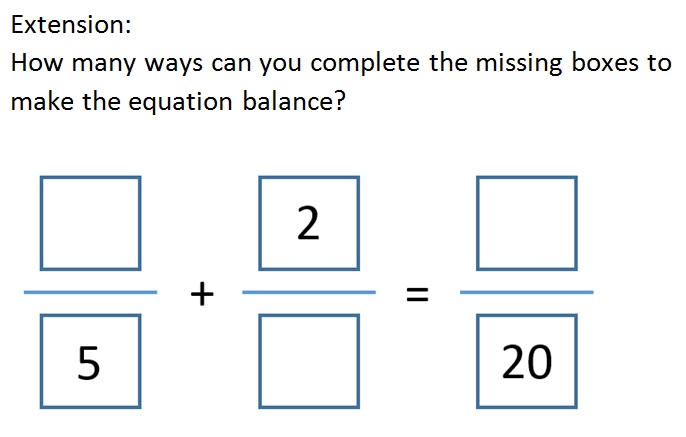
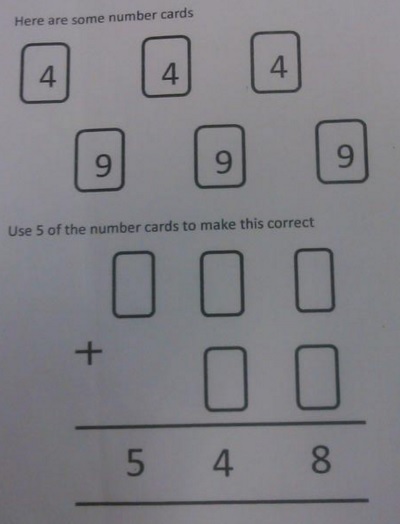
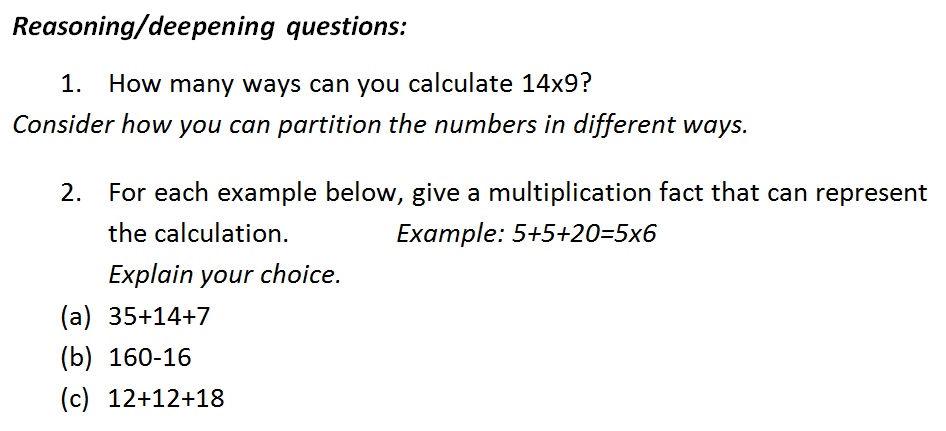
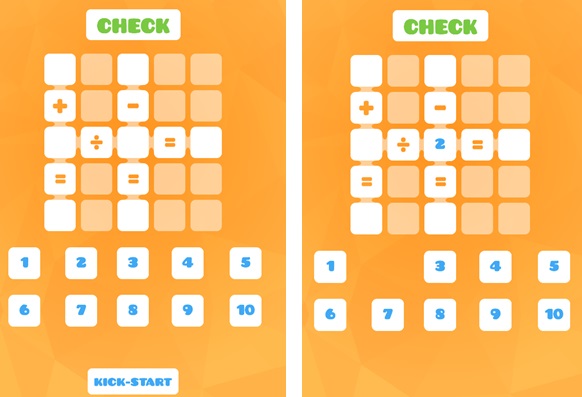
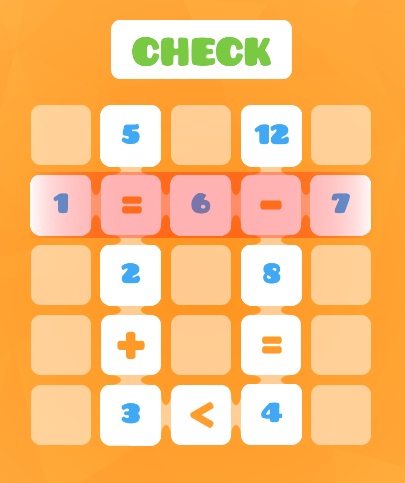
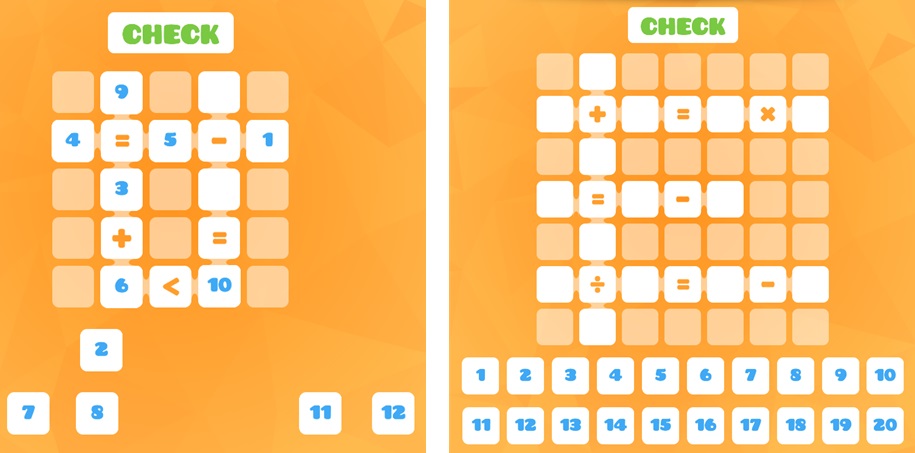
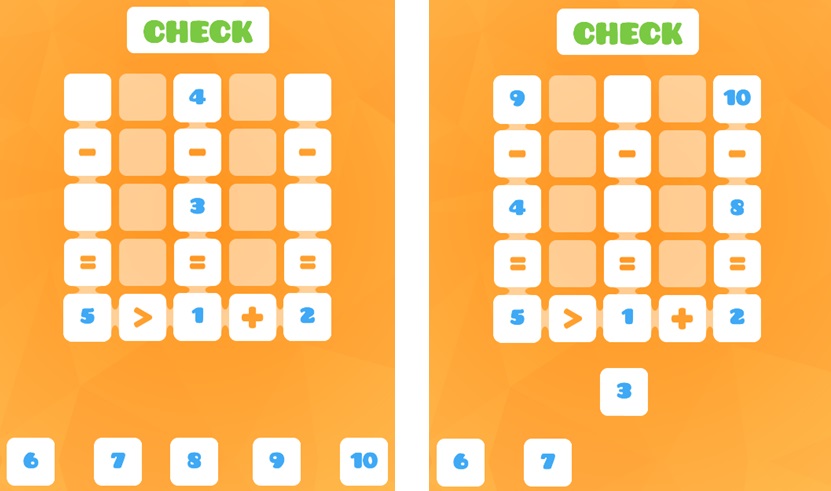
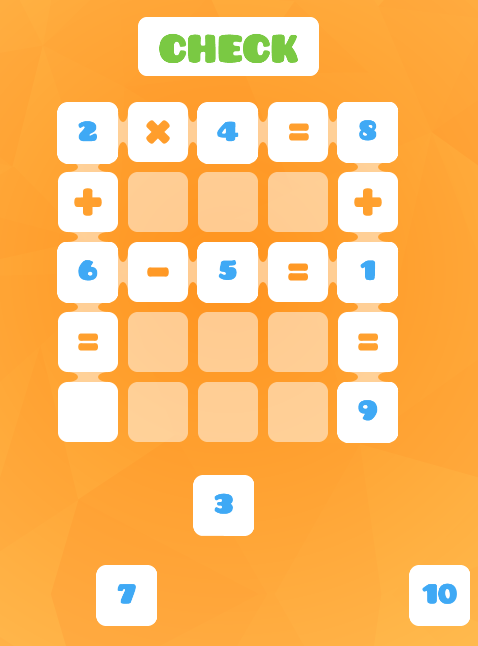
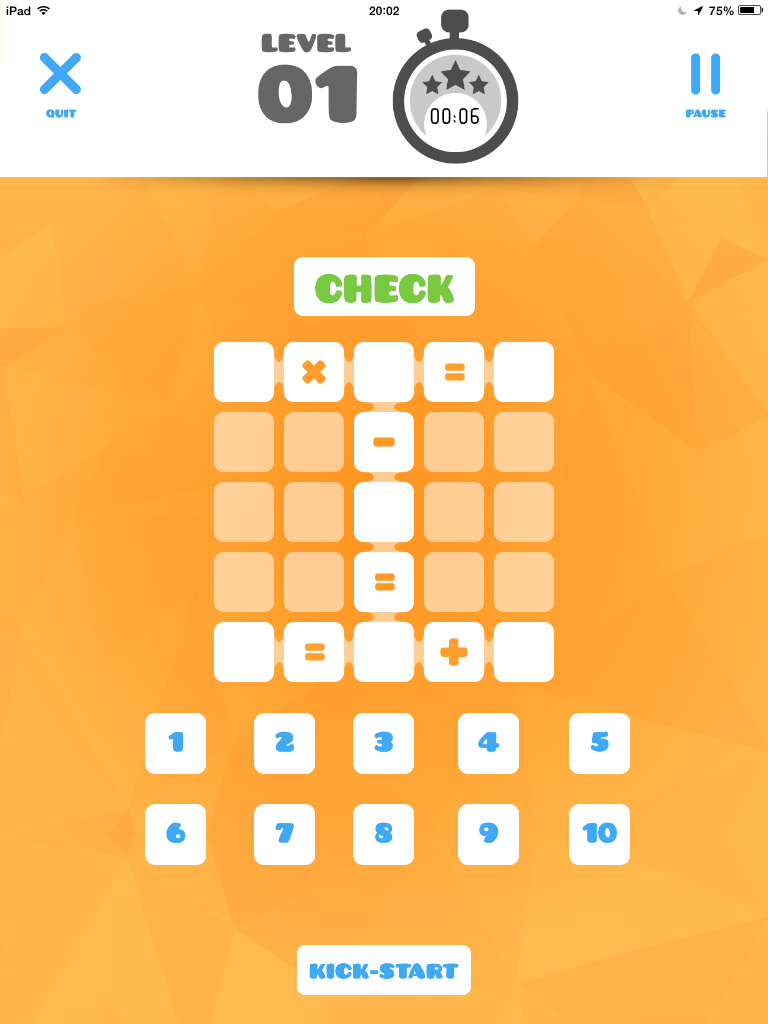
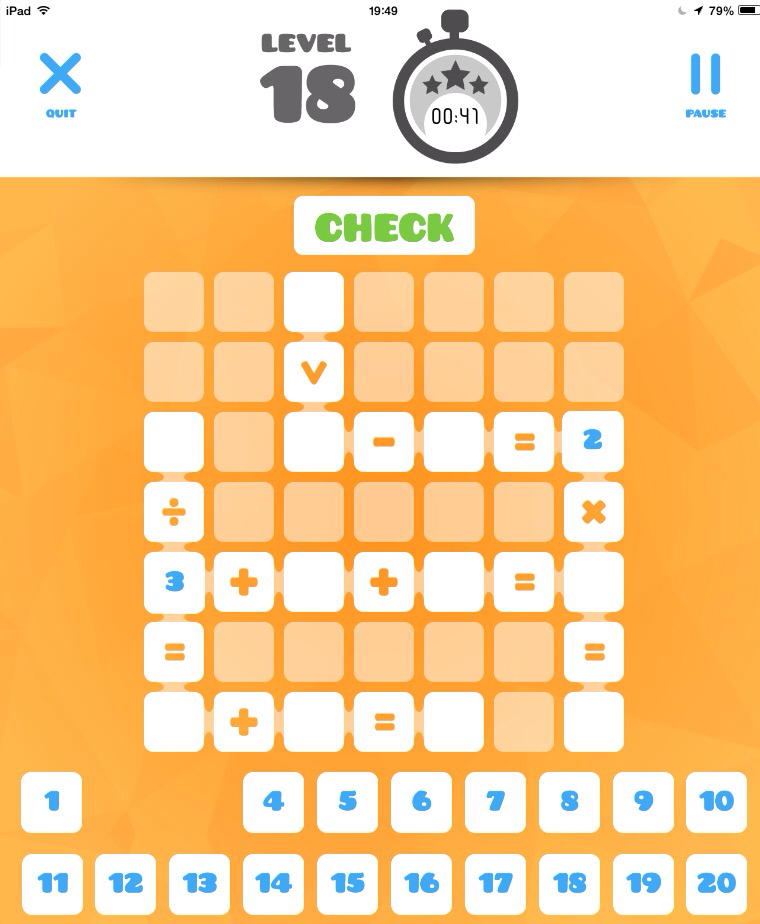
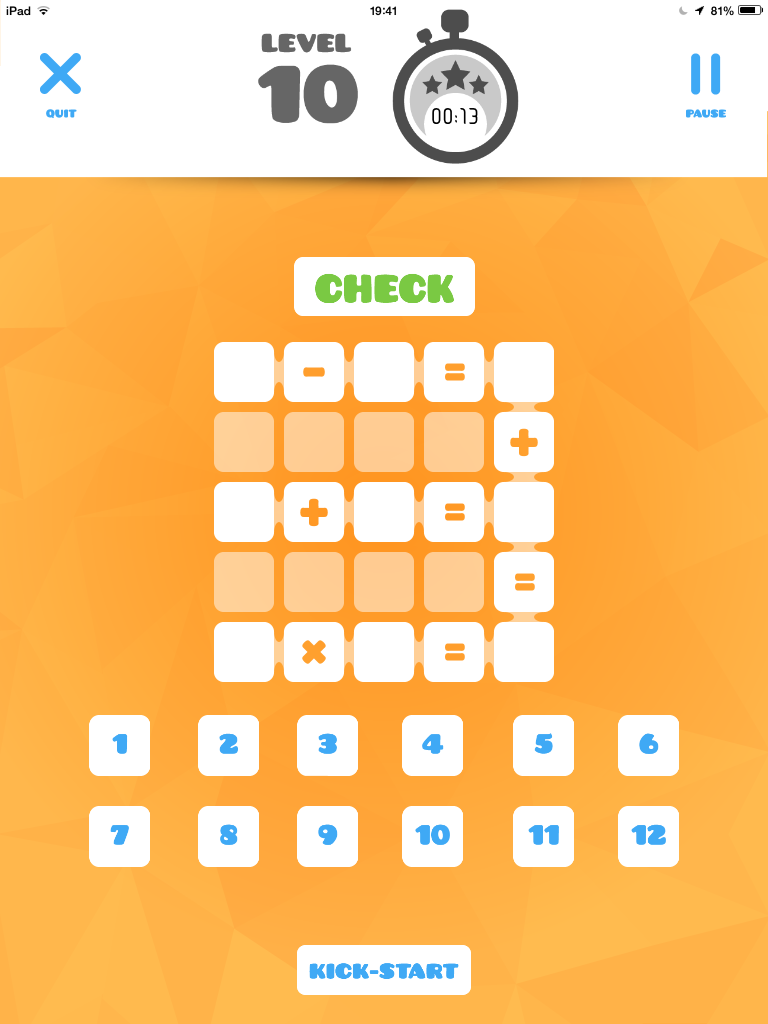
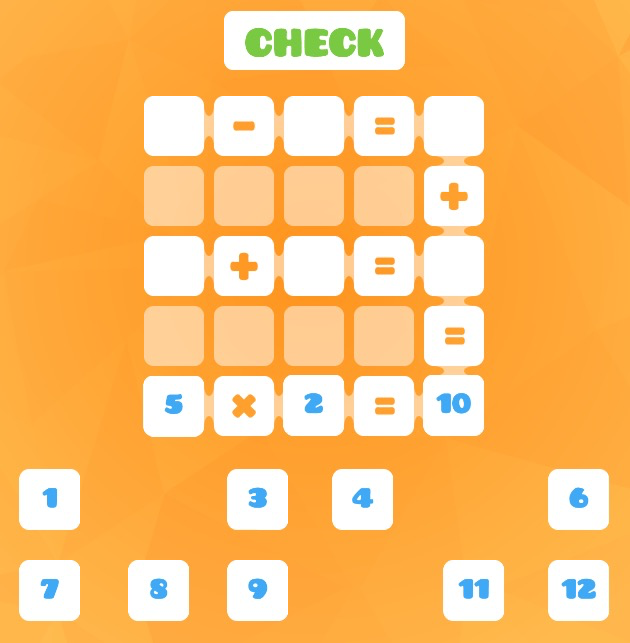
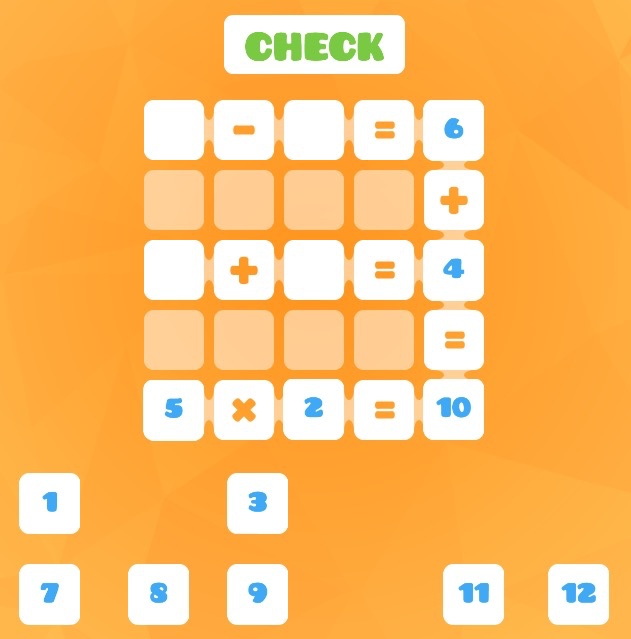
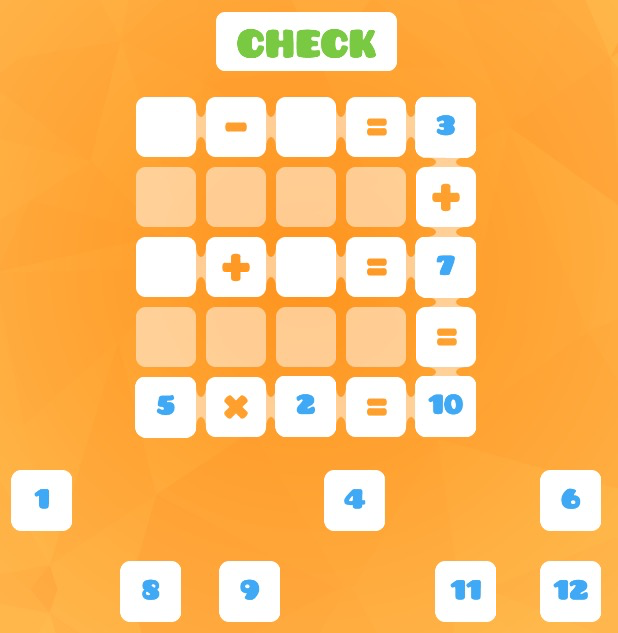
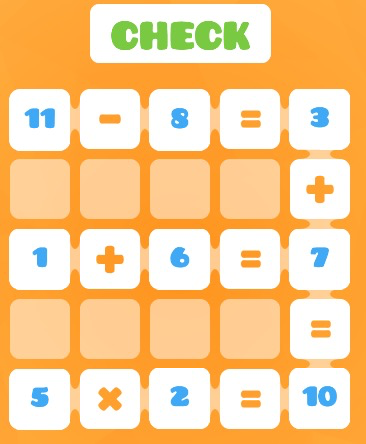
I hope to write a range of open, visual questions that allow children to explore maths ideas in depth. Questions a bit like this:
I’m also planning on sharing lots of free resources, including (time permitting) videos for improving the quality of parent interaction in maths. Watch this space.
Training:
It’s a privilege being able to visit schools to share this passion. Here is the information about my training.
Conference events are scheduled for Manchester and Dudley with a KS2 focus. Expect future dates for bith KS2 and EYFS/KS1 training in the Spring and Summer terms. I am also soon to announce a 2-day training event in London (mid-November) and my first half-day TA training event in South Manchester.
Otherwise:
I’m totally committed to my 2 days teaching my amazing Y1 class this year: I hope they can learn as much from me as I will from them. I’m always happy to promote the good work of other people & look for ways to collaborate, so be in touch.
I’ve got more plans than time, and more ambition than realism, but hopefully in one way or another I can play my part in enriching primary maths. I will also keep posting as many bits as possible on my social media feeds in the distant hope that it will inspire someone somewhere.
Have a great 2016-2017 school year!











 Gareth Metcalfe Primary Maths