Introducing the Challenging Concept

In the process of learning, we are quite literally making links between, building on and extending what we already know. Our existing schemas are slowly being adapted in the light of new experiences. As such, when I’m trying to introduce a new mathematical concept – or when addressing a misconception – I often try to progress very slowly and explicitly between what children already know and what I want them to learn.

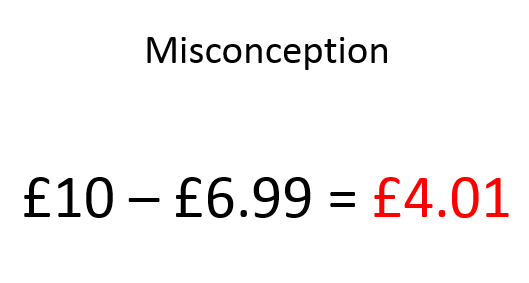
Below are two examples. In example 1 I look at addressing the misconception £10 – £6.99 = £4.01, and in example 2 at introducing letters to replace unknown numbers.

Example 1 – subtraction misconception:
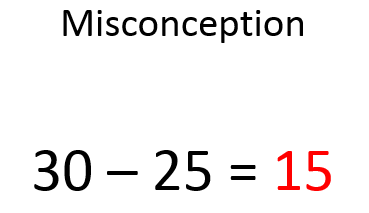
Ask the children to explain the misconception in red. How has the (fictitious) child ended up with this answer? How do you know this is incorrect?
Misc1

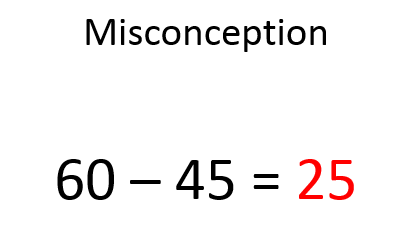
In my experience, children intuitively know that the answer is wrong, and with support can explain the misunderstanding. Then I make an exact copy of the screen, then subtly change the example:
Misc2
The process from before is repeated but using an example where the misconception is less glaring. Having discussed these two examples, with the key learning points unpicked, the children are now in a position to tackle the original misconception:
Misc3
Hopefully the children now have a deeper understanding of the link between addition and subtraction.

This structure can also be used when introducing a new concept. In example 2, I was moving the class on from calculating the inside and outside angles of a triangle to using letters to replace unknown numbers.

Example 2 – introducing algebraic notation:
By this point, the children had a secure understanding of how to find the two missing angles below.
Tri 1

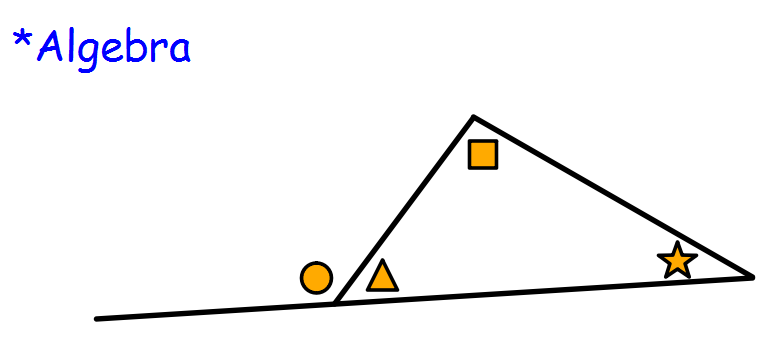
Again, I copy and pasted the screen and made small adaptations so that the angles were changed into shapes. The children were then asked to write number sentences using the shapes (I used shapes as a ‘bridging’ jump to using letters):
Tri 2

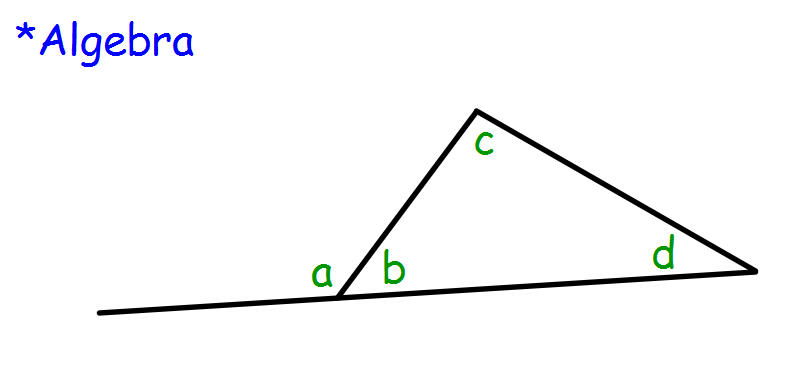
By the time the third image was introduced, the children were no longer overawed by the idea of using letters to represent unknowns:
Tri 3

Of course, with algebra there are lots of routes ‘in’ – I just found this one timely with the structure of our units of work.

Once concepts are more embedded, I would expect children to make wider and more advanced links between different areas of mathematics. But to introduce potentially challenging subjects, or as a means to address specific misconceptions, this ‘slow movement’ approach can be particularly effective.

Questions and Images for Deepening, Part 3

This school year I’ve been blogging example activities, questions and images that I’ve used to extend mathematical reasoning with my class. Here goes for Spring 1:

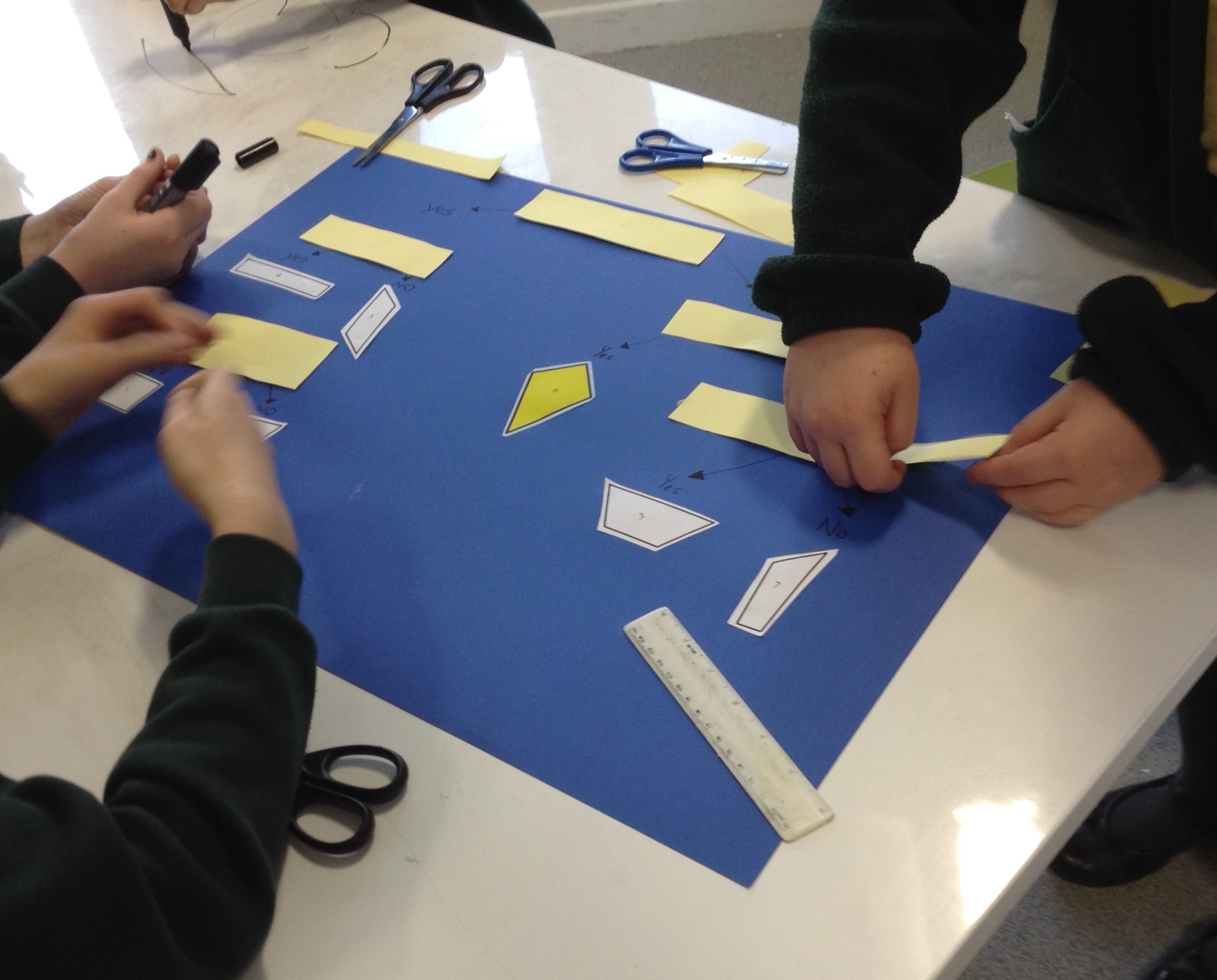
Sorting shapes using a branching database. Children create questions to sort, position the shapes then cover their questions. Other groups have to work out what their sorting questions are. This structure could easily be adapted and used with numbers.
Branch d

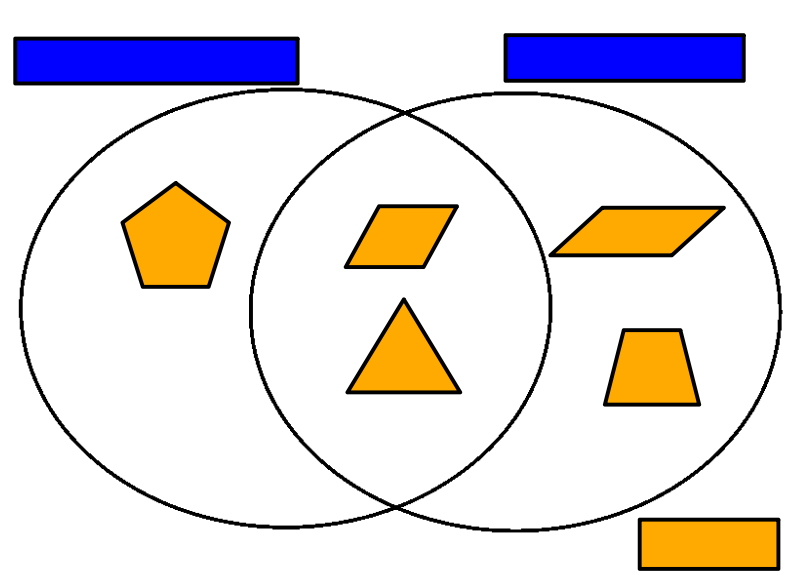
Similarly, classifying shapes in a Venn diagram, with children deducing the headings:
Venn shapes
‘All sides the same length’ and ‘At least 2 acute angles’.

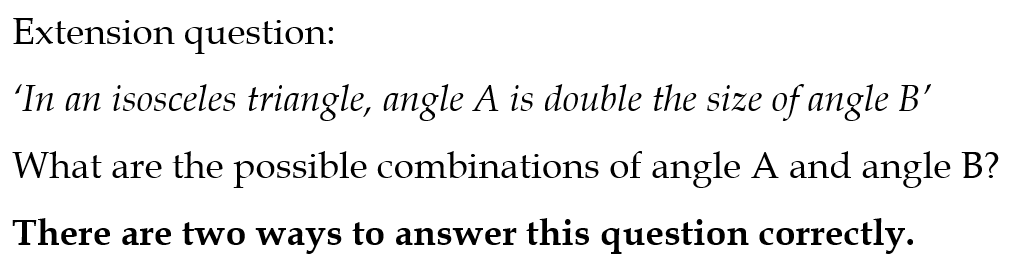
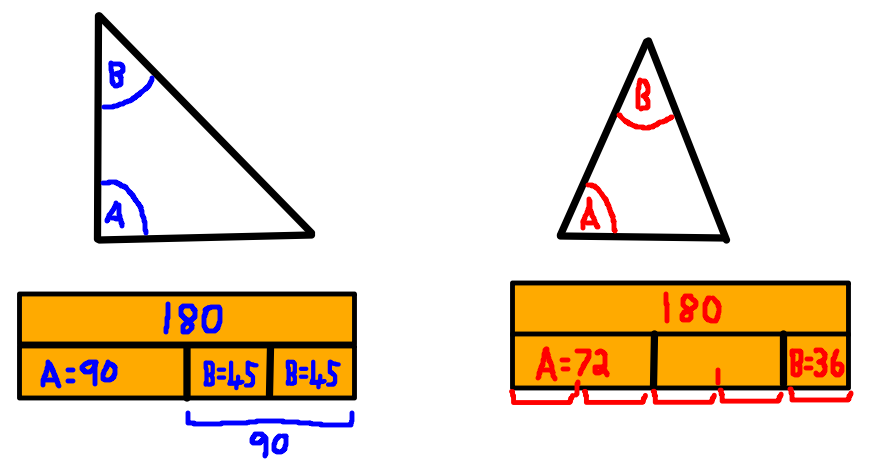
Here’s a reasoning question based on finding missing angles in an isosceles triangle, with two possible solutions represented visually:
Isosc tri q

isosc visual rep

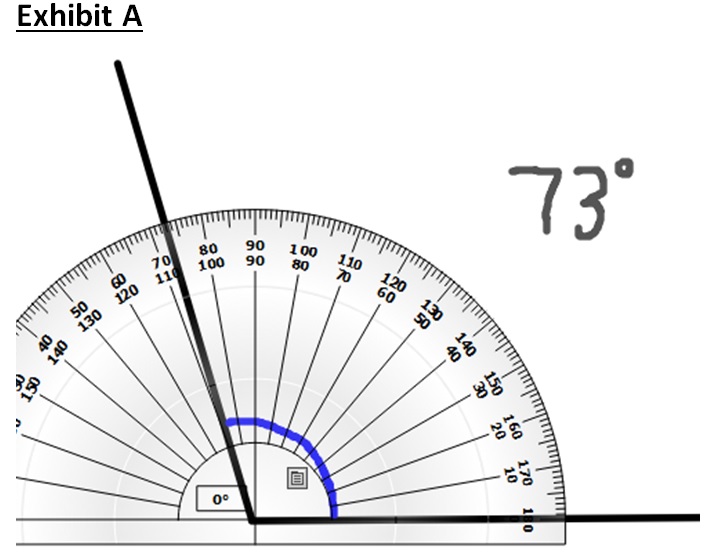
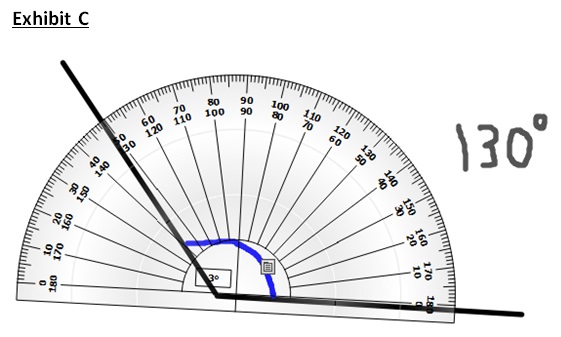
The following exhibits were used to allow children to unpick and explain the most common misconceptions when measuring angles:
Angle A Angle B Angle C

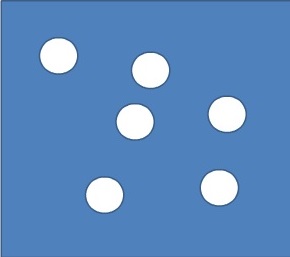
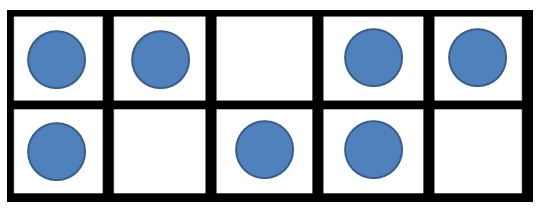
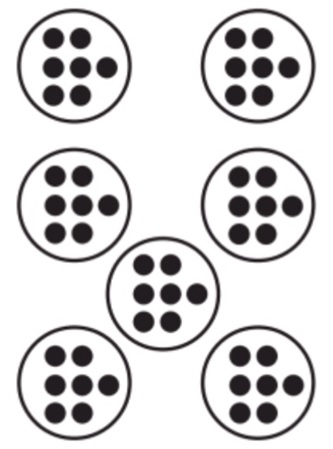
And finally I’ve posted various images of dot patterns that I’ve found for subitizing games. Children are asked to recognise without counting how many dots are in the given pattern (selected age-appropriately). The different ways in which the children visualised and broke down the number of dots in each image can be explored.

dots 1

10-frame image

dots

Since January I’ve also shut myself away and, as I’ve promised myself for ages,  finally spent time writing the Y4/Y5 follow-up to First Class Maths. I am 3 tasks (and a stack of trials/edits) away from completing it, which I’m very excited about – more updates to follow on this one soon. Have a great Spring 2!

Frozen Saltwater and Negative Numbers

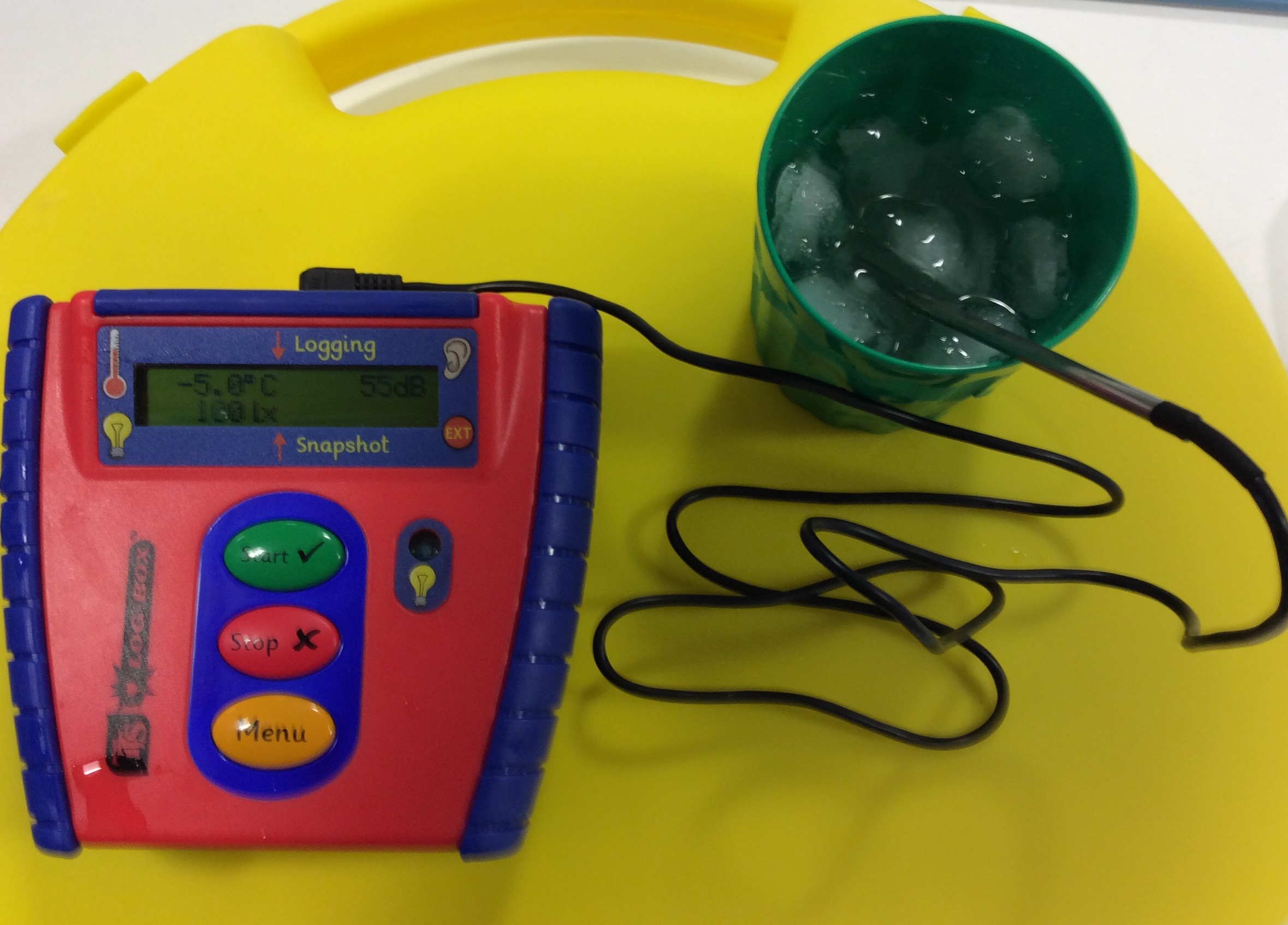
Much emphasis is now being placed on representing mathematics practically and visually (and quite rightly). For obvious reasons, it’s harder to do this with negative numbers. Here’s a classic activity that I came across on my first Primary Science Teaching Trust conference for showing children negative numbers in context. It can also be used to answer the question ‘Why do we put salt on the roads when it’s icy?’

Salt

Have a container filled with icy water and add quite a lot of salt. By putting the temperature probe into and out of the icy solution, the children will be able to see how the temperature changes (and how numbers change from positive to negative and vice versa) as the temperature goes above and below 0 degrees. Most dataloggers come with software that will allow you to graph this pattern as well as displaying the temperature.

By adding the salt, the freezing point of the solution becomes lower. At the maximum level of saturation for salt (according to Google), the freezing point for a saline solution is -21 degrees Celsius. This demonstrates that the salt doesn’t make the water hotter, as I’ve heard children suggest, but that it changes the freezing point. It’s also worth noting that if the temperature were to fall below -21 degrees it would be pointless to grit the roads.

This context could be used simply as a demo of negative numbers, or it could lend itself to a more extended scientific enquiry. Let’s just hope that thawing ice on the roads isn’t a subject that is too topical for too long!

Questions for Deepening Part 2

I’ve been on a mission this year to post lots of examples of questions and tasks that I have used on a daily basis to deepen the thinking of the children in my year 6 class. I’m also posting activities that I’ve seen used in classes throughout the school. Below are all my posts from Autumn half-term 2. I hope that there’s something here that you may find useful!

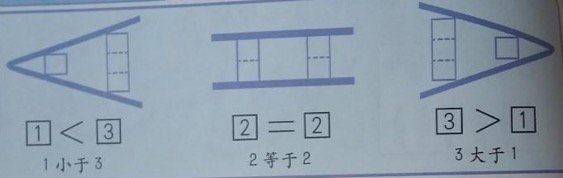
First of all, I found this image from a Chinese textbook showing how > and = signs are introduced:Croc

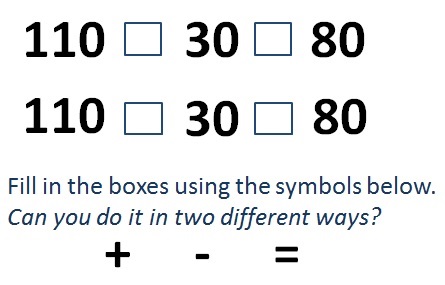
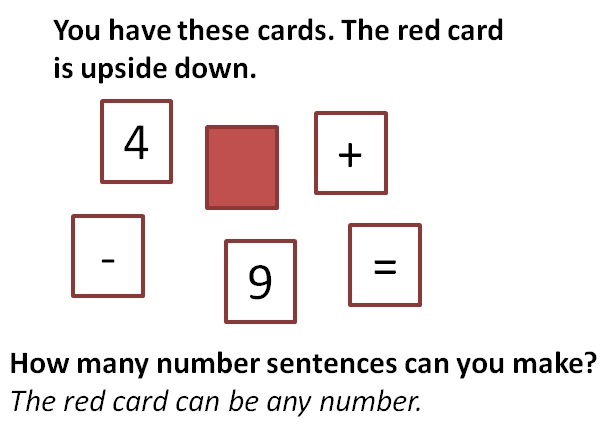
A task from Y2 that encourages children to use the = sign in different places:
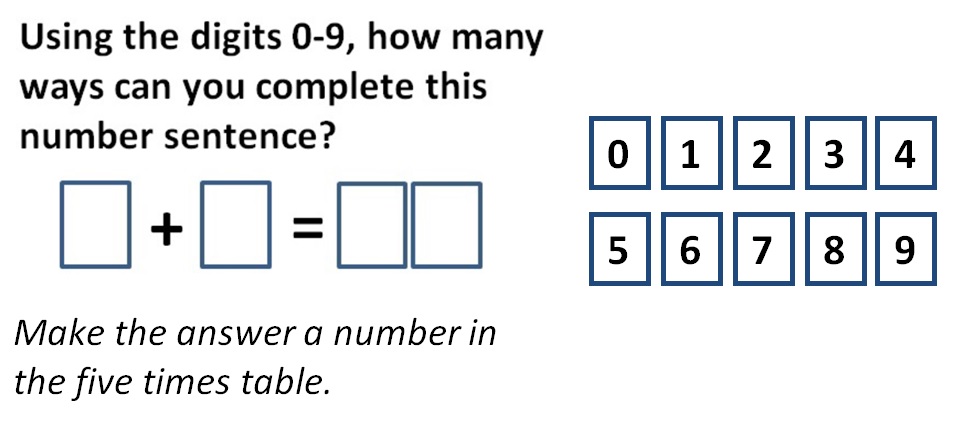
SymbolsA question which is very accessible but can be extended by children working systematically to find all possible solutions:
Addition reasoning

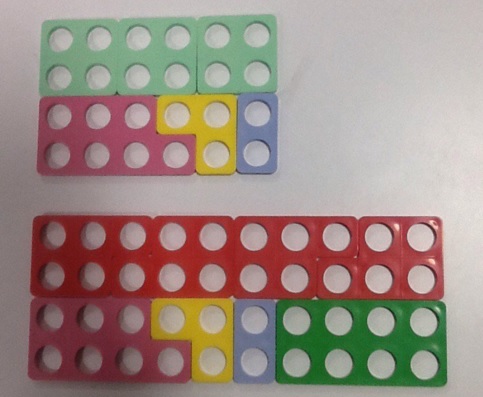
And another allowing children to explore parts and wholes:
KS1

An ‘immersion’ activity used to encourage children to see division as grouping (e.g. representing 26/3 as ‘how many 3s in 26?’):
Division immersion

And some questions that I’ve used with my own class.

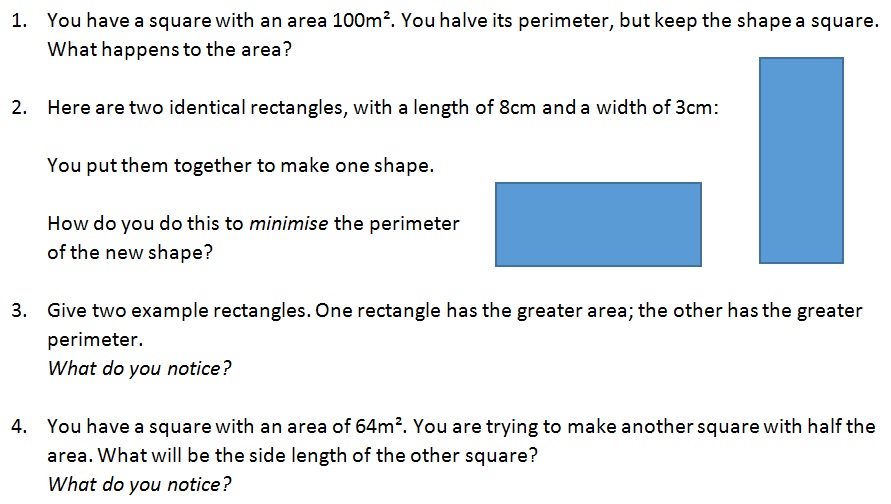
Area and perimeter:
area 1 area 2

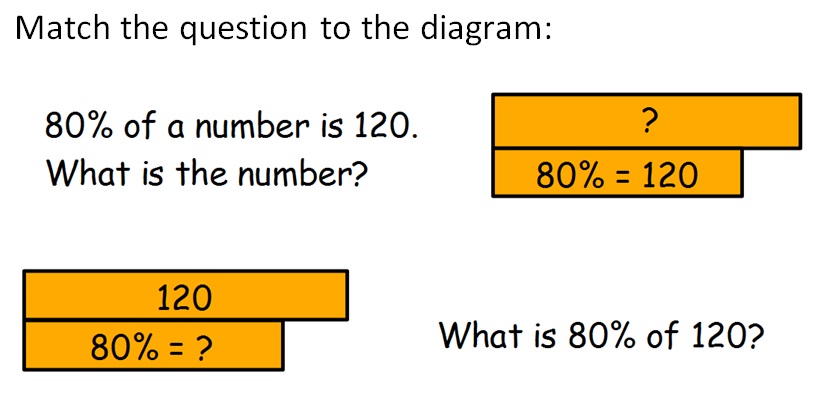
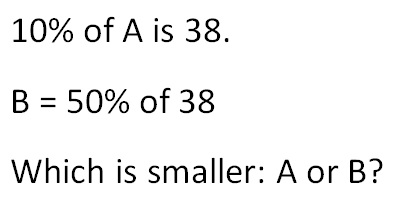
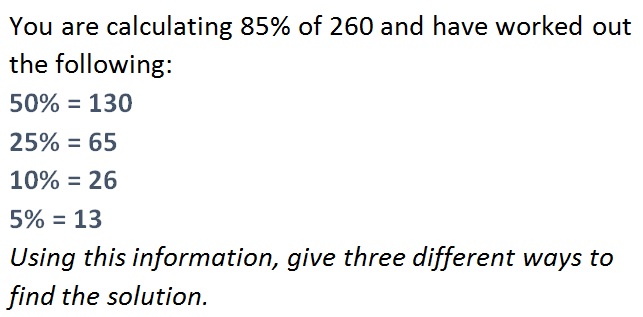
Percentages:
% 4 % 2 % 1Averages:
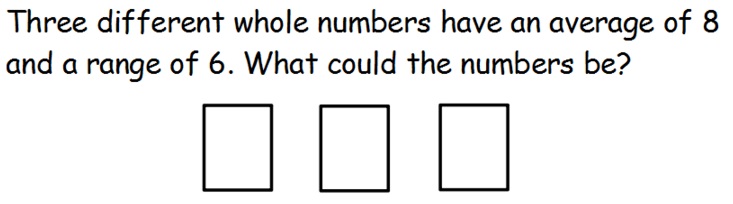
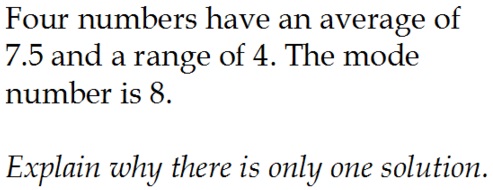
Average 2 Average 1 Average 3Below is the visual representation used to unpick that final question:Average 4

My favourite resources for providing deep, meaningful mathematical challenges are those that I have published with Alan Peat ltd. These are more rich, extended and often contextualised tasks.

First Class Maths provides deep, extremely challenging and quirky tasks.

The Maths Apprenticeship gives extended challenges for deepening mathematical and personal competence skills.

Logic Squares is all about getting children playing with numbers.

Questions for deepening

We’ve all read about the vision for ‘mastery’ learning in maths; I’d figured that what teachers want is to see actual examples that they might be able to use with their class. So once we got back from our residential, I decided to post pictures of questions that I use with my year 6 class (and the odd example from around the school) to deepen their learning. The reaction on social media has been very positive, so I’ve dumped them all on this blog.

At the start of the year I used one of my favourite questions:

Which two numbers have a sum of 9 and a difference of 4?

This one’s more complex than it may initially seem as the solution involves halves. An easier version is shown below:

Sara and John spent a total of 40p at the school council shop. Sara spent 10p more than John. How much did John spend?

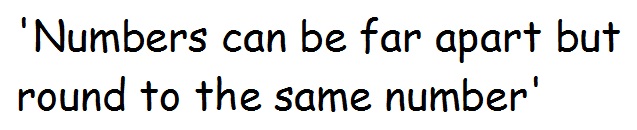
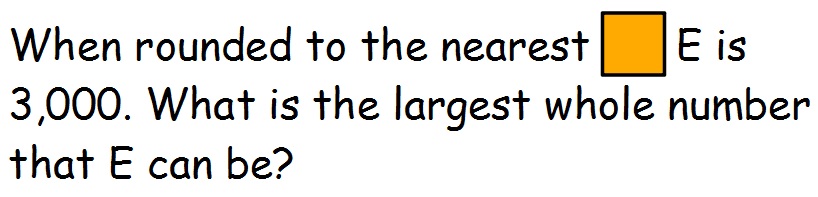
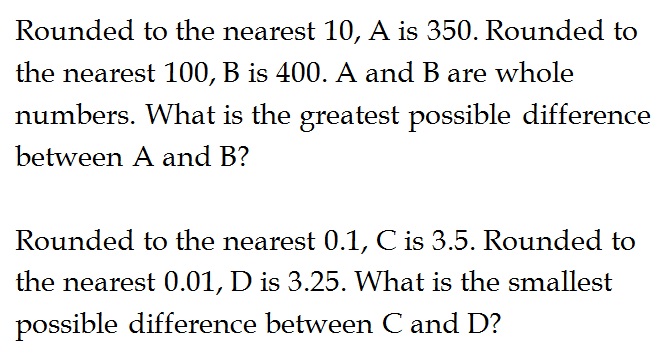
Then came deepening within rounding:
Rounding

A question exploring the difference between negatives & decimals:
How many time do you have to halve 128 until you get a negative number?

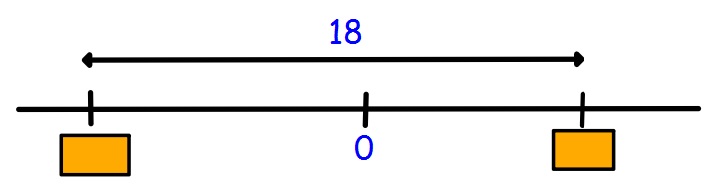
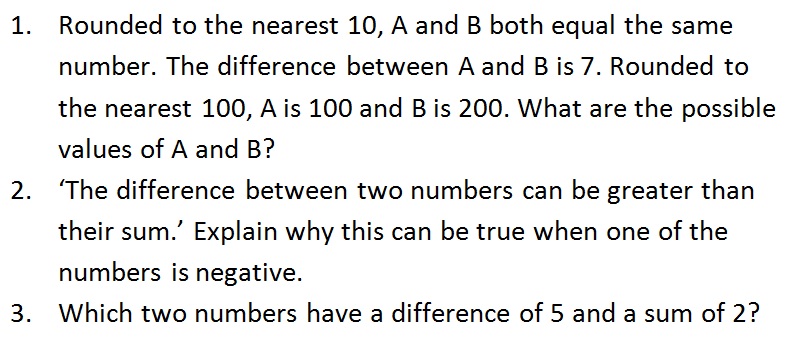
And drawing together rounding and negative numbers:
Tweet 2
Note that for question 3, one of the numbers is negative.

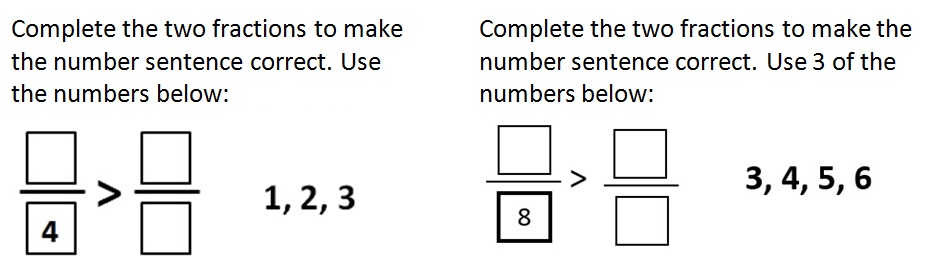
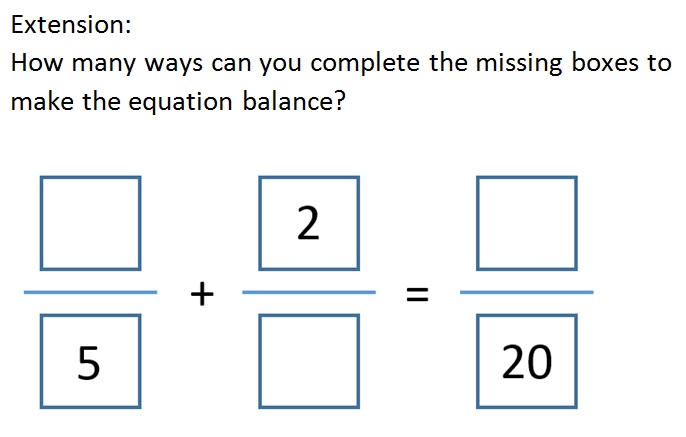
Two fractions questions with multiple solutions:
F 2 TwitterF Twitter

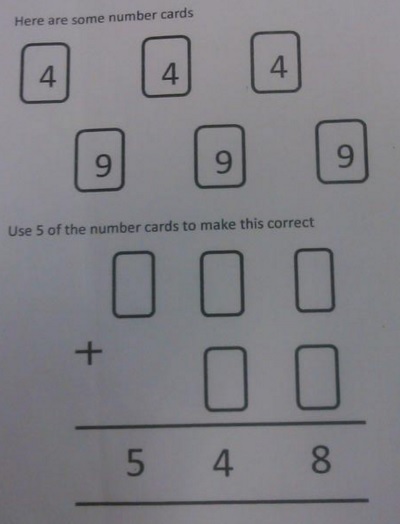
A year 4 question looking at deepening vertical addition:
Addition

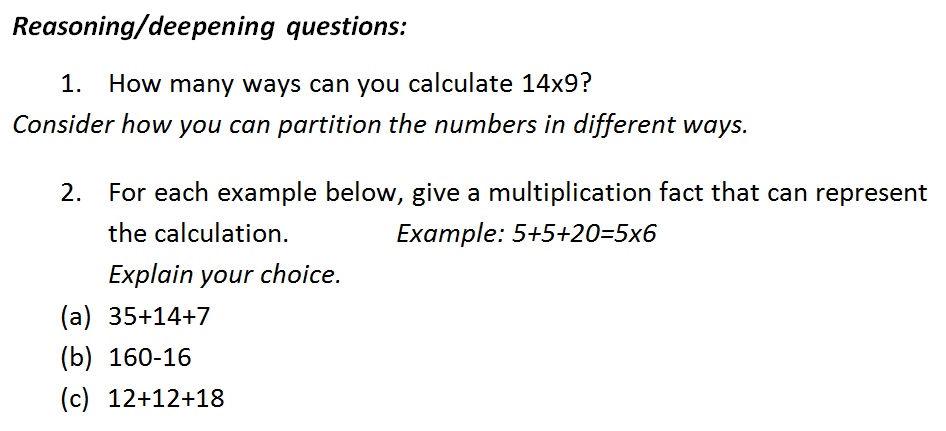
And finally reasoning in multiplication:
Multiplication 1
Multiplication 2

I’m hoping to keep these posts coming (Twitter @gareth_metcalfe or FB Gareth Metcalfe Primary Maths) and, in the fullness of time, to make freely available a set of deep reasoning questions for all year-groups. If you’ve found it useful, or you know someone who might be interested, please share this blog post!

My maths resources, published by Alan Peat ltd, have also been designed to deepen children’s experience of maths.

First Class Maths provides deep, extremely challenging and quirky tasks: https://garethmetcalfe.wordpress.com/2015/02/01/first-class-maths-curious-and-challenging/

The Maths Apprenticeship gives extended challenges for deepening mathematical and personal competence skills: https://garethmetcalfe.wordpress.com/2014/05/22/tma-the-how-to-guide/

And Logic Squares is all about getting children playing with numbers: https://garethmetcalfe.wordpress.com/2015/10/03/the-learning-in-logic-squares/

The Learning in Logic Squares

There are lots of maths apps on the market: most are visually appealing and allow children to rehearse key mental maths skills. What more does Logic Squares have to offer? This blog gives six reasons why Logic Squares takes children’s learning to a deeper level.

Accessible challenge
Accessible 4
At the start of each level, the player can select ‘kick-start’. This will put one of the numbers into position, giving a significant clue to help the player to unlock the level. In doing so, the levels are made more accessible for children of different abilities. There are a range of solutions for each level.

Useful feedbackIMG_1719
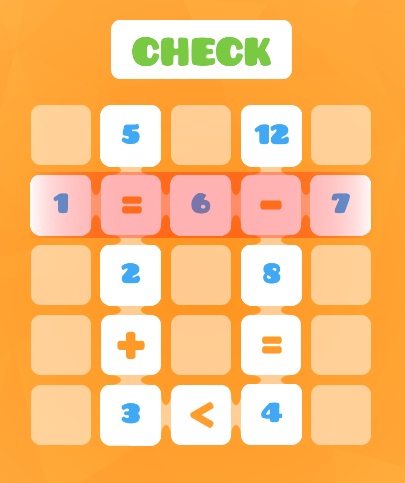
When the player clicks ‘check’ any lines that are incorrect are highlighted in red. Then the player can re-position the numbers having seen their mistake(s), allowing them to address any misunderstandings in a non-threatening way.

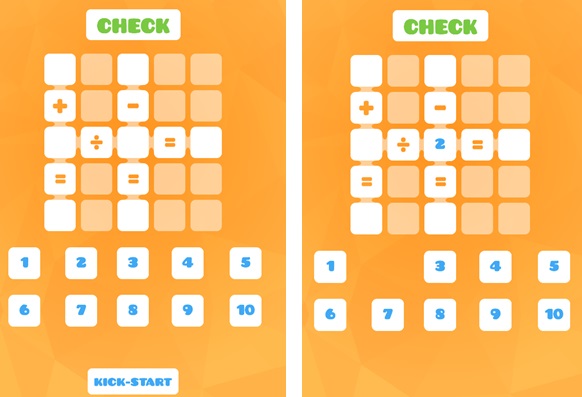
High thresholdchallenge 2
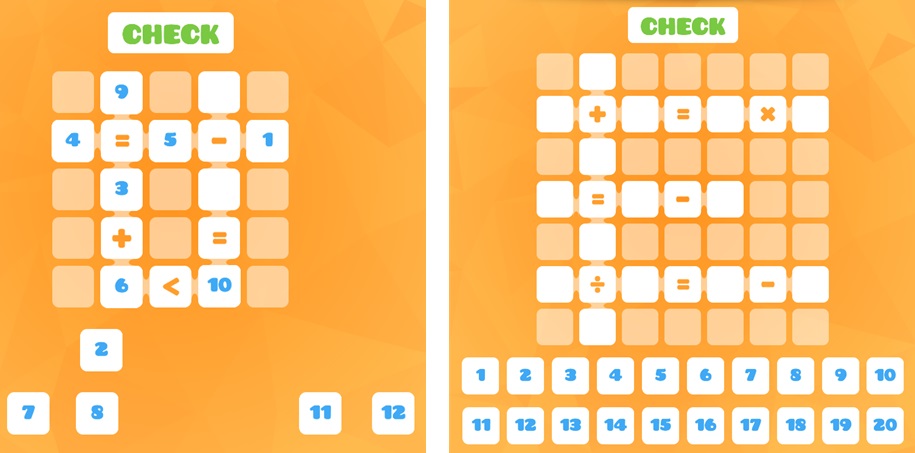
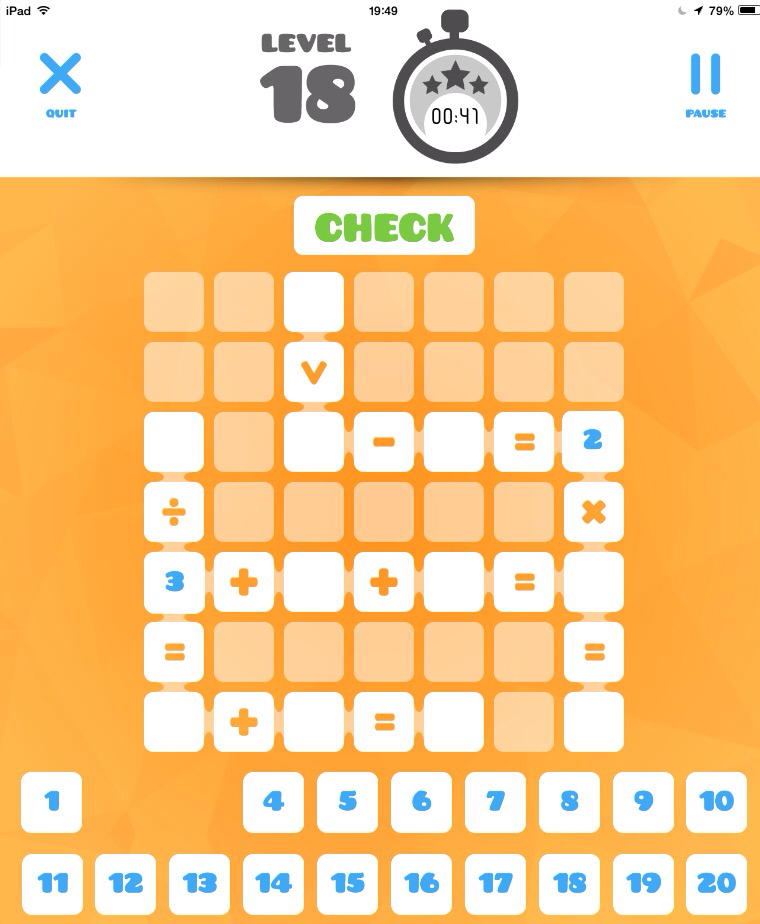
By the end the levels will stretch even the most able primary child. Take level 18 (using 1-20). Can the children reason as to why the number positioned has to be a 2? Children have to identify the lines with fewer possible solutions and learn to complete these parts first.

Supports understanding of = and > signs
equality
Children’s understanding of = as ‘same as’ rather than ‘makes’ will be secured. The example on the left shows how the common structure ___ – ___ = ___  is reversed to ___ = ___ – ___. The grids from level 16 onwards are 7×7, allowing for two numbers either side of the equals sign. < and > sings are used throughout.

Subtraction as difference
subtraction
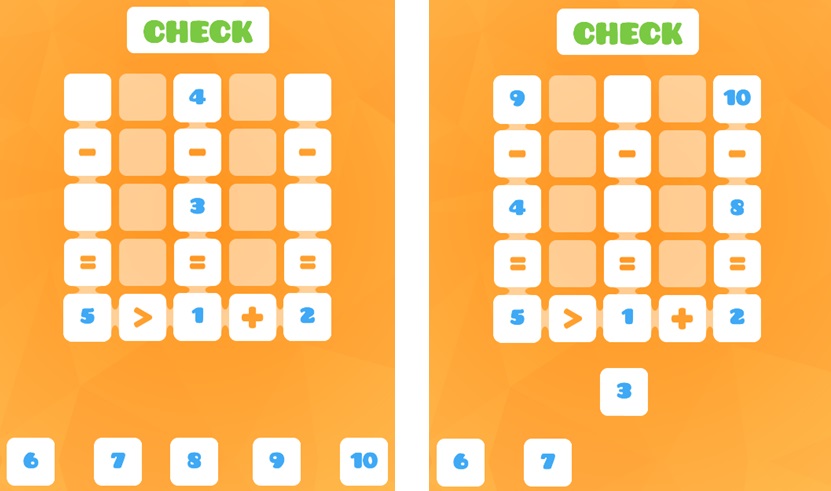
Let’s assume the children start level 11 by filling in the bottom line. They may complete a vertical line using the most straightforward calculation that comes to mind (4-3=1). Soon they’ll realise that they need to be more selective in their use of the smaller numbers; larger numbers can be used in subtractions, considering differences.

Understand how to manipulate numbers in calculations
IMG_1711
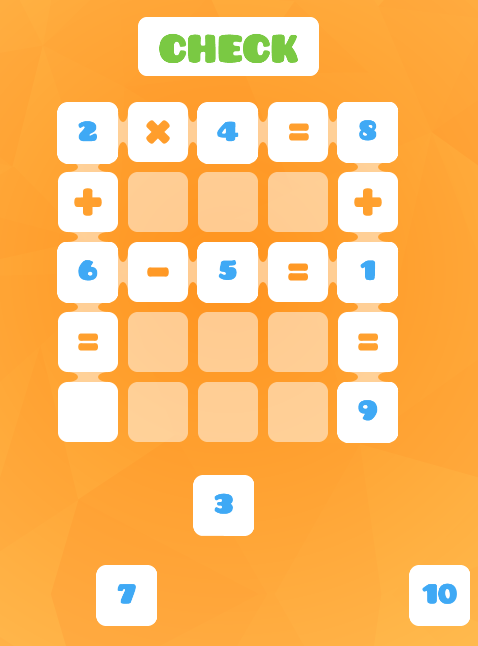
On level 12 the player has got to this point and has realised they are unable to complete the last line. Which is the first line to try to alter?The vertical line on the right hand side? Unlikely to work. The middle horizontal line? The 6 and 5 aren’t interchangeable; also, neither number could be used in the position of the 1. But switch around the 4 and the 2 and we have a solution!

So that’s how Logic Squares gets children playing with numbers and exploring key mathematical concepts in a fun, non-threatening way.

To see level 10 in detail, read the blog:
https://garethmetcalfe.wordpress.com/2015/08/31/logic-squares-the-strategy-maths-app/

Logic Squares for the iPad is on sale in English:

Logic Squares: the strategy maths app

Logic squares is a maths app soon to be released by Alan Peat Ltd. Players will learn to manipulate numbers within calculations, becoming increasingly strategic in their thinking as the levels progress in difficulty.

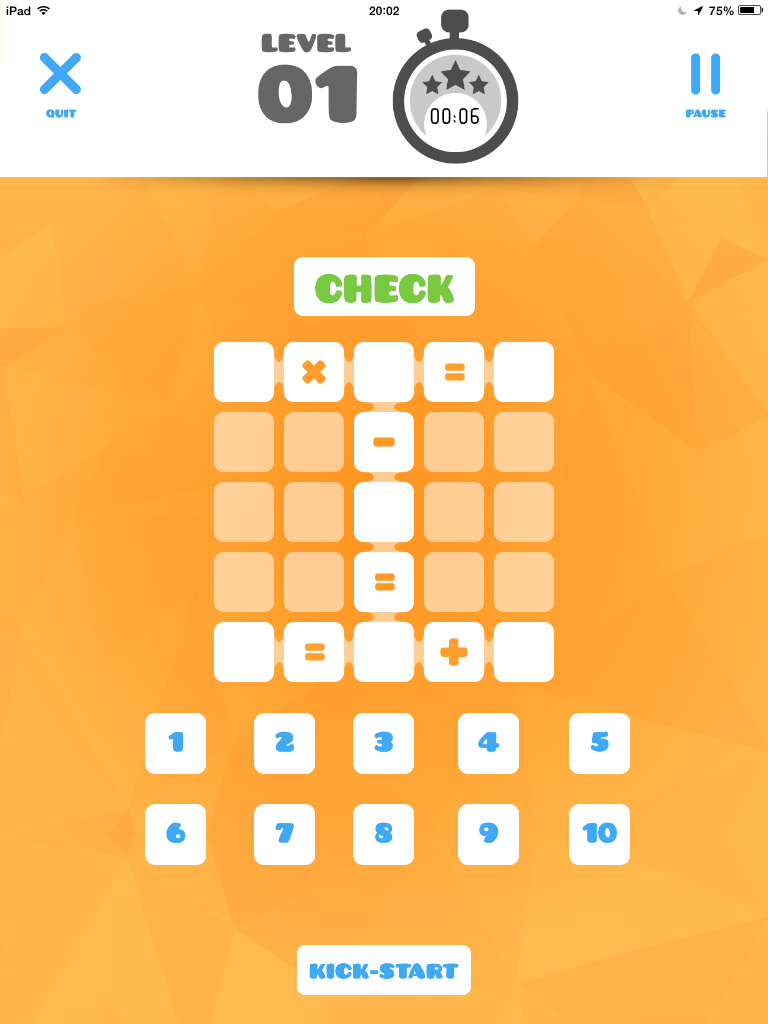
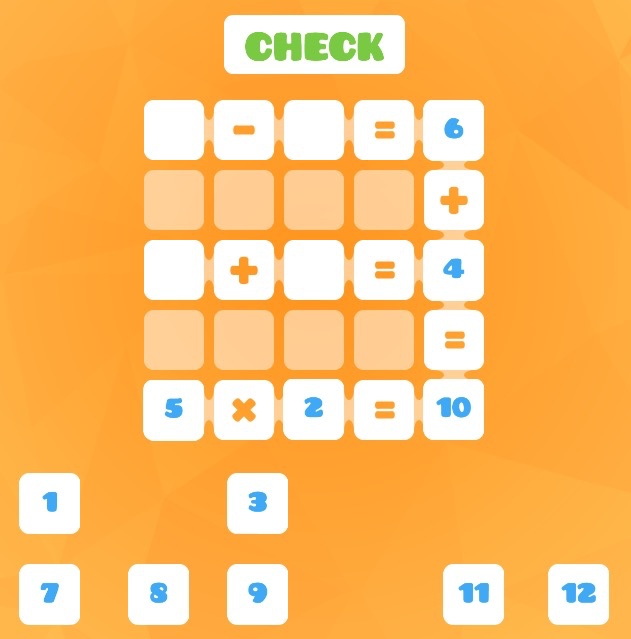
The rules are simple: fill the gaps using the numbers provided to make each line correct. To make the levels more accessible, a ‘kick-start’ button can be pressed at the start of every round which positions a number automatically. Mistakes are highlighted in red when the player clicks ‘check’, directing the player to any errors so amendments can be made.

Levels progress from more straightforward:

To the very challenging:

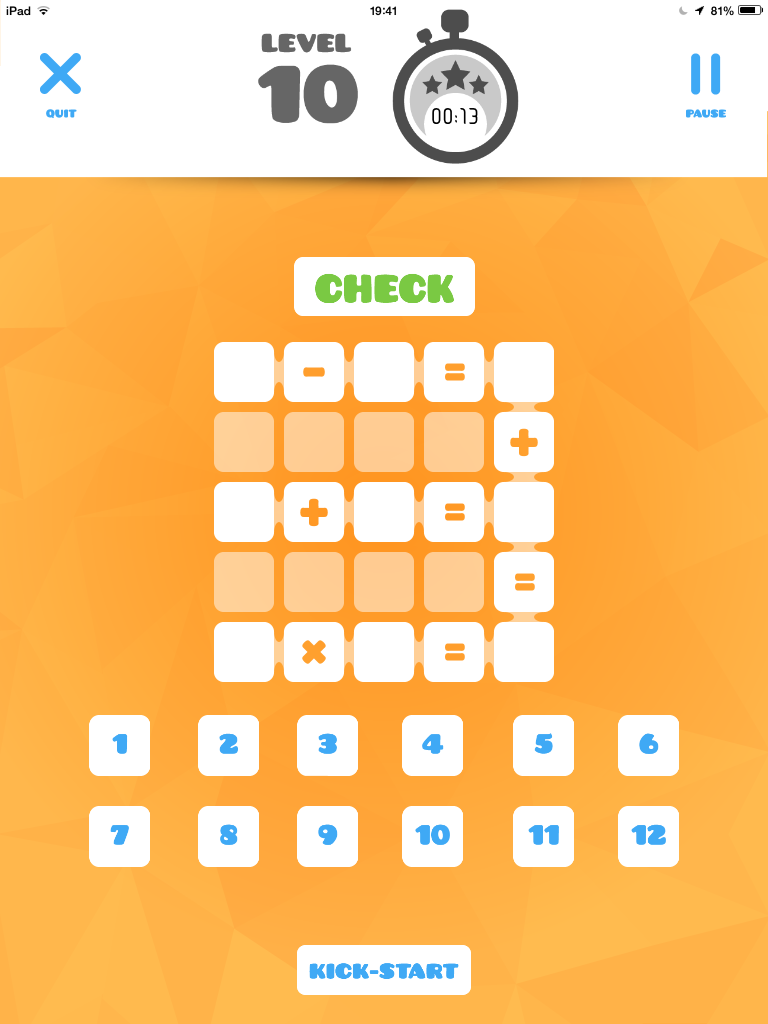
Let’s look at level 10 in detail and the kind of thought processes that the children will need to go through to answer it successfully.

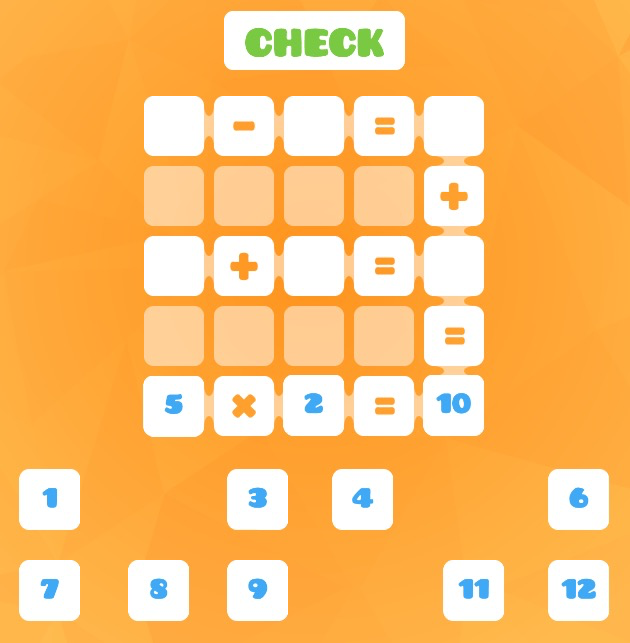
Firstly (and crucially) children need to think carefully about their starting point. If they start with the addition and subtraction lines and ‘fill in’ the multiplication line last, they are unlikely to find a solution as there are far fewer ways to complete the multiplication. And which multiplication to choose: 3×2? 5×2? When you look at the right hand column (__+__), probably the one with the higher product. Let’s assume that the player’s started with 5×2=10:

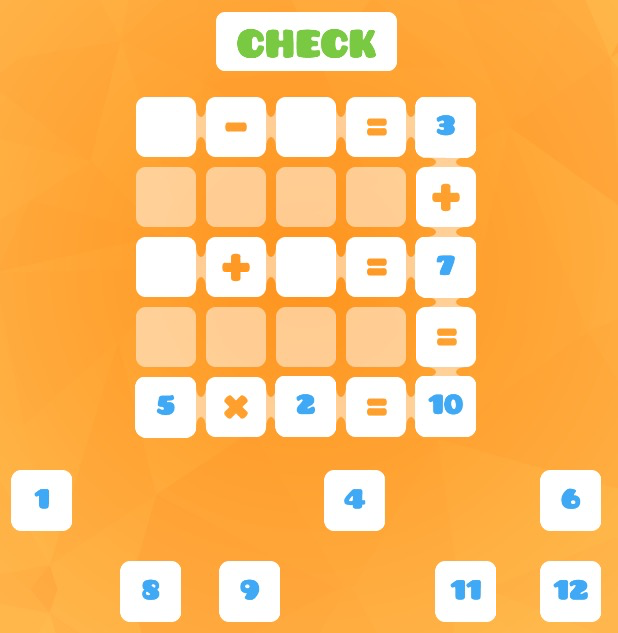
So a logical next step would be to find two numbers that add to make 10. Which combination of numbers is best? And which way around should the numbers be positioned? Consider this:

The 4 can be made with the 1 and the 3, but with the larger number (the 6) being on the top line and all the smaller numbers used up, it’s not possible to make the top line correct. An adjustment’s needed. The player may realise that it’s easier if the larger number’s used as the answer to the addition rather than the subtraction. Say 7 and 3 are tried next:

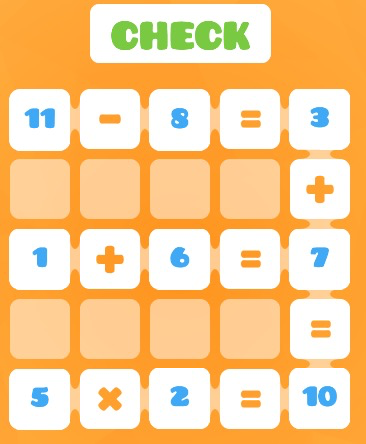
Now the player’s in a position to find a solution (there are multiple solutions for all the levels):


I’m going to produce videos demonstrating the process of completing 3 of the levels that teachers can show to children, to make the learning from the tasks explicit. However, the thing that I love about Logic Squares is that it’s in the (highly addictive) process of trial and error, seeing links and spotting mistakes, being frustrated then finding a way to overcome, that the majority of the learning takes place. By the time the children get to level 25, they’ll have honed a wide range of crucial mathematical skills and ideas. Enjoy!

Reasoning tasks to start the school year

I came across this puzzle in a book full of questions that were on 11-plus tests in the 1940s and 1950s under the ‘General Intelligence’ section (couldn’t use that term nowadays!). It’s a great one for getting the children to reason in a non-standard context:

The leader of a Guide patrol is named Mary Jenkins; so her surname is Jenkins, her Christian name is Mary, and her initials are M.J. There are 6 other girls in the patrol; each has 2 initials. Surnames: Brown, Smith, Evans, Clark, Jones. Christian names: Molly, Celia, Gwen, Ruth, Sally. Two girls have surnames and Christian names beginning with the same letter; two others are named Ruth. One of the twins has the same initials as the leader and the other has the same Christian name as Evans. Write down each girl’s full name.

Here’s a typical route for answering the question:
*There are 6 girls but only 5 surnames/Christian names – there are two Ruths and there are twins.
*To have the same initials as the leader, one twin is Molly Jones.
*The other twin must be Ruth Jones (same Christian name as Evans, only repeated name is Ruth). This also gives Ruth Evans.
*Two Surnames/Christian names with same letter, Sally Smith and Celia Clark
*One Christian name and one surname left, Gwen Brown

I then give children this question to show how they can use the same kind of logical reasoning to answer a more ‘standard’ maths question:

Use the following digits once to make the calculations correct: 7, 6, 3, 9, 8

_______ x 3 = 18 + _______

2 < 9 – _______

_______ / 2 < 4

_______ + 8 > 2 x 2 x 2 x 2

Here’s a typical route to solve the problem:
*2 x 2 x 2 x 2 = 16 so 9 is the only number that can go in the last gap.
*There are two combinations that make the top line balance (7&3, 8&6) but the 8 can’t fit in any of the other gaps, so it must be on the top line with the 6.
*You are left with 7 and 3. Either number can go on the 3rd line but the 7 doesn’t fit the second line, therefore 3 is on line 2.
*By process of elimination, 7 must be on line 3. It is Gwen Brown – the leftover number!
These principles could then be applied and extended in a range of other contexts: for example, Ken Ken puzzles rely on very similar logical thought processes. I will be using these two questions at the start of the school year as I look to establish a positive mathematics culture with my new class.

A Shift in Primary Maths: England and America

It’s an interesting time to be involved in primary mathematics. In September 2014, at the same time as teachers in England were getting their heads around the changes to the curriculum, our colleagues in America were being asked to embrace a new, much-debated approach to teaching math – the Common Core State Standards.

The common core represented an idealogical shift in approach to math teaching in response to the criticism that American math curricula was ‘a mile wide and an inch deep’. Fundamentally, it was about making math a more conceptual, interconnected and deep subject, rather than a procedural one. The standards mandate that the following eight principles are taught:

IMG_0477.PNG

The changes to the maths curriculum in England were also built on an ideological shift to a ‘mastery’ curriculum, with  calculation concepts being developed through conceptual understanding, children able to reason mathematically and solve a range of problems. The parallels between the changes made in England and America were clear.

Will these curricula changes result in improved learning outcomes? Curriculum change is nothing new, as this article from the New Tork Times points out:

IMG_0478.PNG

If the reforms are to have a lasting and significant impact, I believe the following two points are crucial:

HOW > WHAT
Changing curriculum content rarely has a significant impact on attainment; improving teaching pedagogy, though, has much greater power. The launch of the new maths curriculum is therefore only the start of the change process – more significant are the processes that are put in place now to allow teachers to develop their teaching. The maths community needs to provide a clear and exciting vision for the new maths curriculum; there need to be better maths resources available, especially in relation to non-standard problems; and a culture of challenge and trust needs to be instilled between school leaders and staff to allow teachers to develop their practice. The process of implementing the new maths curriculum is very much in its infancy, and patience is needed. It needs to be brought to life for teachers in vivid colour.

CHANGING IDEOLOGIES
The alterations to the curriculum, both in America and in the UK, are designed to fundamentally change the perception of what mathematics is. We are selling a change in mindset, and as such a strong and convincing narrative must be provided if people are to understand and buy into this new philosophy. Children need to understand (and be able to articulate) what it means to think mathematically. Included in this is the fundamental belief that we all have the capacity to succeed in maths given the right experiences. All too often, children who have had fewer, or less effective, early maths experiences develop negative perceptions of mathematics and become labelled ‘lower ability’. The challenge for us all, therefore, is about how we ‘sell’ mathematics as well as how we teach it.

I hope that, as a profession, we can enable children to experience the true joy of mathematics, rather than the watered-down version that so many adults experienced in their own school days.

A tribute to a great friend and teacher

This is the first time I have ever been nervous writing a blog; I’ve thought about it for months, wondering whether to write it, and how I can possibly do it well. I hope, for those to whom it has personal meaning, you find it a fitting and helpful tribute. I want to share some of my memories my great friend, Sinead Rossiter, who passed away from a stomach lymphoma in December 2014.

I first met Sinead in 2010 when she started her post as fellow year 6 teacher and deputy head at Bradshaw Hall Primary School. She was an infectious character, full of life and so uninhibited by the stresses and strains of school. Sinead had the most distinctive of qualities: a genuine enjoyment and appreciation of the children in her class. Sounds odd to say, but whilst maintaining an iron-will to ensure that every child achieved their best, Sinead never lost the ability to enjoy her time with every child and make them the best versions of themselves.

That was lesson number 1 (of many) that I learnt from Sinead: driving standards, having time to build deep relationships and enjoying the moment aren’t mutually exclusive – in fact, quite the opposite. And having time for people wasn’t limited to the children in her class. Sinead made time for all of her colleagues too, on a personal and professional level, having a profound ability to get beyond life’s trivialities and get to know the person that lies behind the professional face.

I will also always remember Sinead for her undoubted eccentricities. Sinead had Cystic Fibrosis and wasn’t expected to live into adulthood. A lung transplant in her 20s gave her far improved health and, I believe, an amazing perspective on life. She was truly uninhibited, brilliantly so. I remember her telling me about how once, late in the evening, she needed something from the local corner shop so went in her pyjamas. She spotted one of our colleagues in there and didn’t want to be seen so hid in the aisle behind bemused shoppers! Now this eccentricity used to come in particularly handy for me when it came to putting on the end of year leavers’ assembly. Mrs Rossiter was the perfect target for micky-taking, with no shortage of ‘parody-able’ habits: her constant range of shoes, that she was always eating, the catchphrases, the constant use of candles…
As a teacher, Sinead was highly effective. You couldn’t help but want to know exactly why she did so well. Teaching was one of her passions, she studied it and talked about it, pedagogically she was strong and she prepared well for lessons. But it was, in my opinion, her remarkable ability to connect with people that really defined her success. As John Hattie might remind us, teaching is essentially a human profession carried out most successfully by passionate individuals, teachers who can relate to and care for their students. In my most pressured times, it’s the aspect of teaching that I am quickest to forget, but that which I would do best to remember.

There are so many individual memories that I could share, and qualities that I could describe, to pay further tribute to Sinead. It has taken me a while to adjust her not being at school, but I know that my loss is nothing in comparison to that felt by her loving family, and particularly her husband who she idolised. It would be contrived of me to say that I will try to carry her legacy on: I can’t, because she was totally unique, and in ways quite different to me. But I know that I am a better teacher and person now for knowing her, and for that I am massively grateful.

Sinead knew her life was likely to be shorter than most, and had a personal faith that gave her great strength. She accepted her CF fully, and knew it made her who she was. She was also massively appreciative of the amazing medical support that she received throughout her life, support which enabled her to be healthy and happy. Sinead would often remind us to treasure life and ‘smell the flowers’. Hers was a short life, but a life thoroughly lived.