Learning to Problem-Solve: number sequences and negative numbers

This is the first in a series of blog posts about how to systematically teach problem-solving skills using I See Problem-Solving, outworking the EEF research (recommendation 3) about using rich problems to learn mathematics.

Here’s the task that the class were given part-way through the lesson:
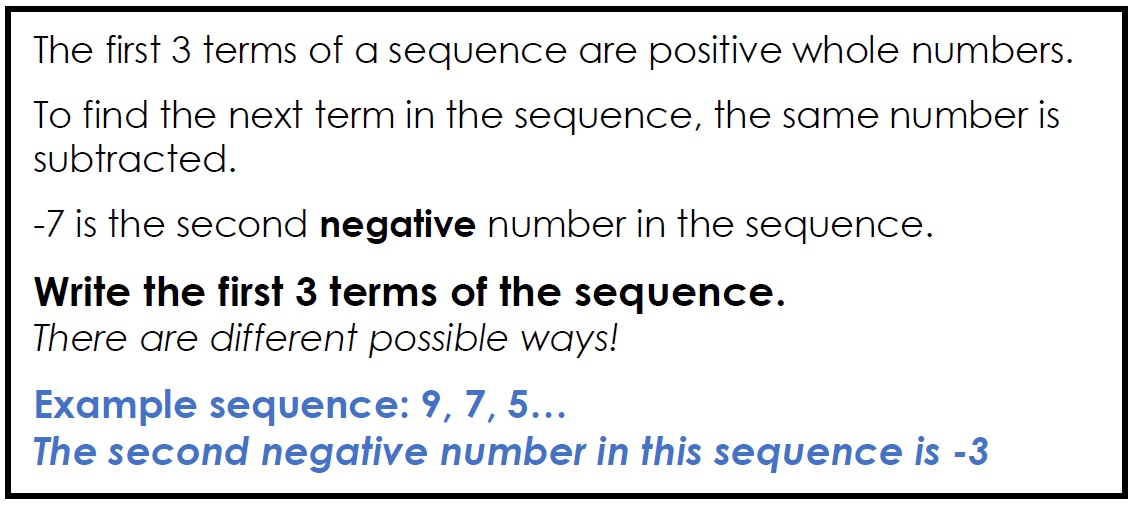
Before we get to this point, I want to break down the sub-steps involved in answering this question. First, a little pre-teach group are given this open task to bring back some prior learning:
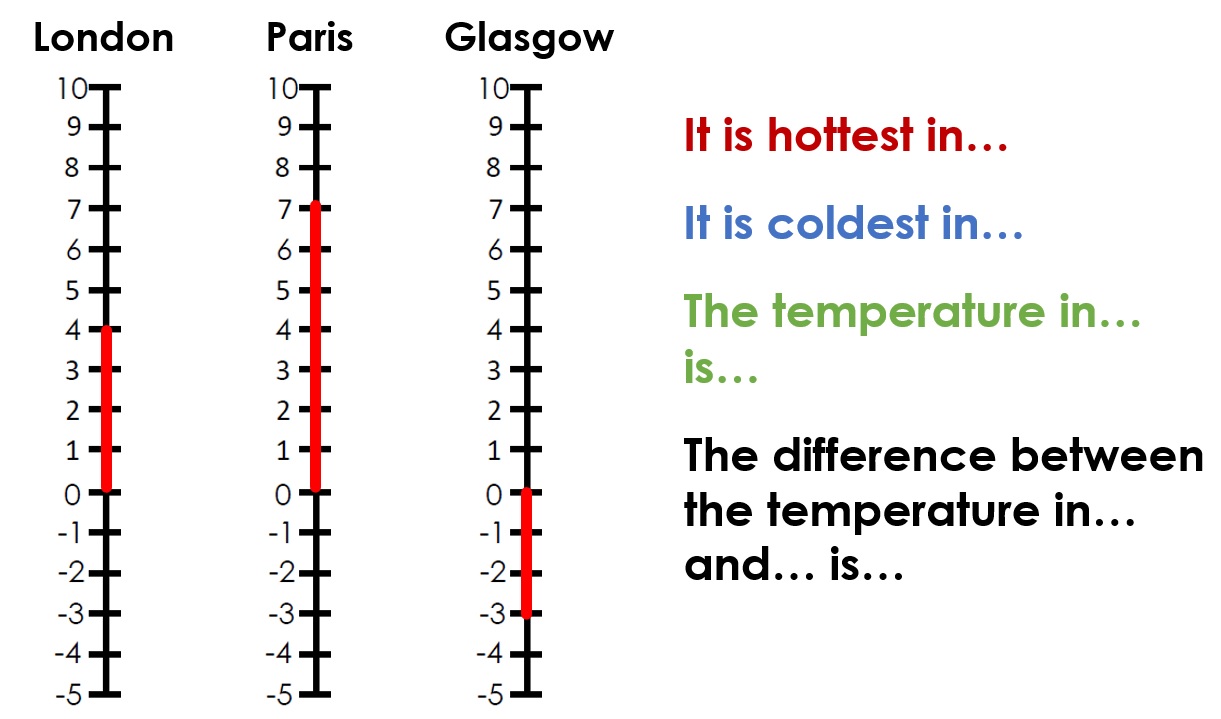
Then we show the first part of the question that we are building up towards answering and these three example sequences. The children calculate (or spot) the first and then the second negative number in each sequence:

Now the children have a go at this short task. They identify that -4 is the second negative number in the first two sequences. I explain that, when writing the first two sequences, I actually started from -4 and added in equal steps, rather than starting from the positive number and subtracting (which would be more akin to trial and error):
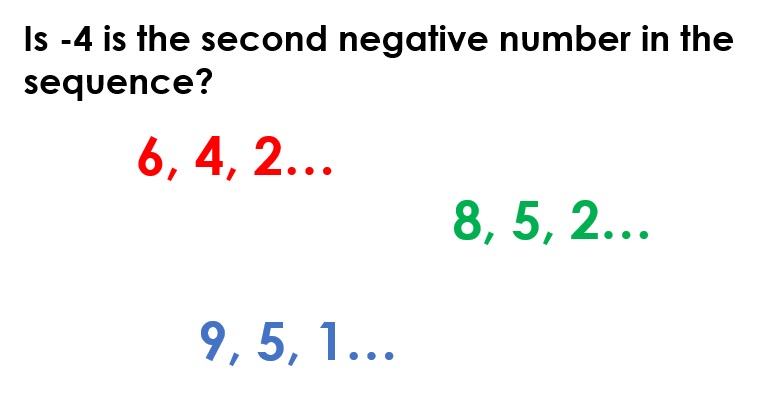
Now the children are equipped to deal with the task. We work to find all the possible answers, noting that the sequence must decrease by more than 3 but less than 7. There ‘support’ prompt for children who need help, and some children also attempt the ‘explain’ or ‘extend’ tasks:
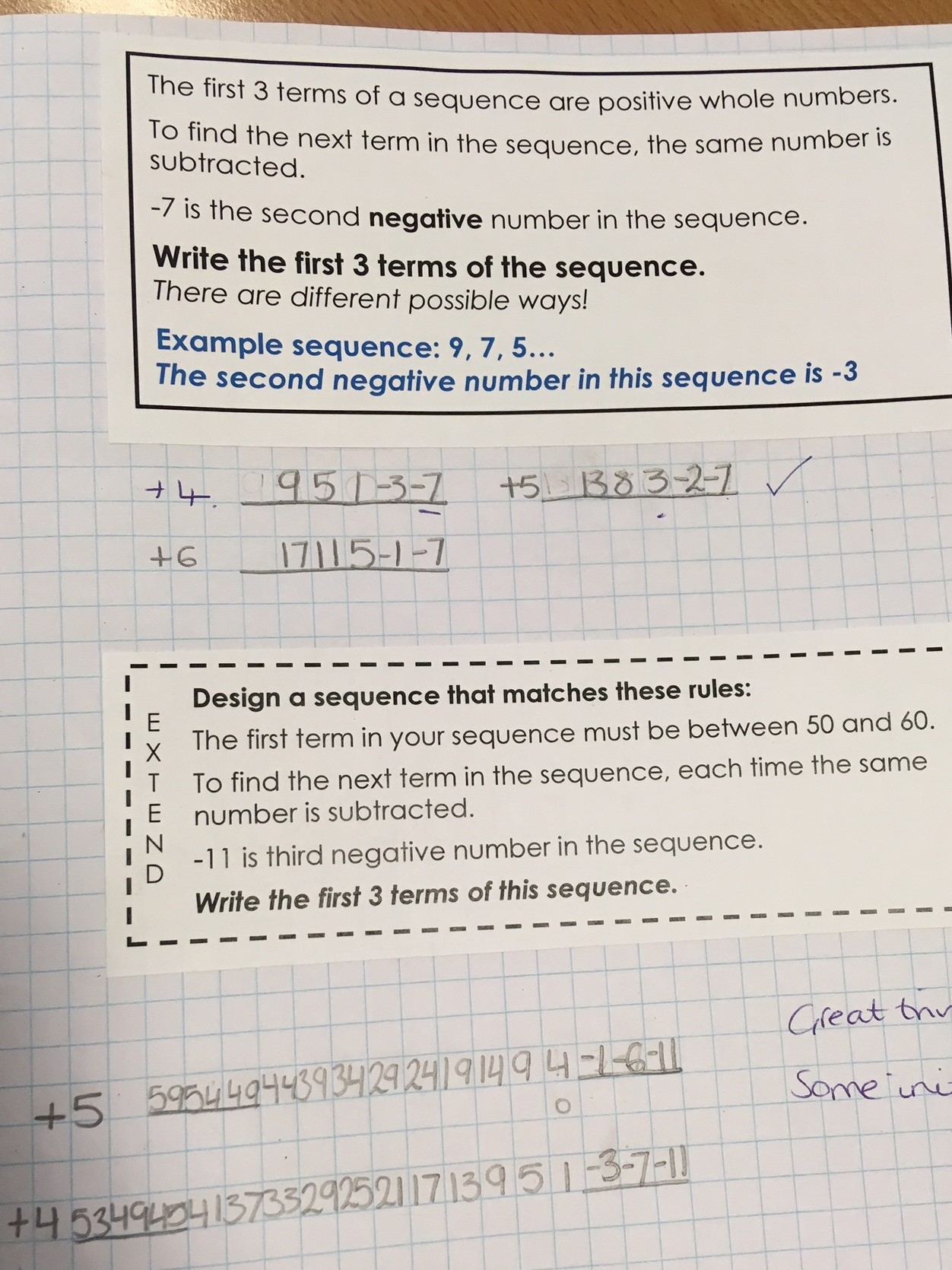
The free I See Problem-Solving Worked Example is used to show the three possible solutions. The following day, we pick up on a few misconceptions and look for ways to become more efficient, including looking at the example above and considering how we could add a multiple of 4 and 5 rather than the repeated adding.

I’m trying to make problem-solving accessible for all children, whilst ensuring that every child is challenged. I hope you find I See Problem-Solving super-helpful. The LKS2 and KS1 versions are in production!

Also in this series:
Equals Means Same As
Sum of the Digits Place Value Challenge
Learning to Problem-Solve: sum of the digits

This is the second in a series of blog posts about how to systematically teach problem-solving skills using I See Problem-Solving, outworking the EEF research (recommendation 3) about using rich problems to learn mathematics.

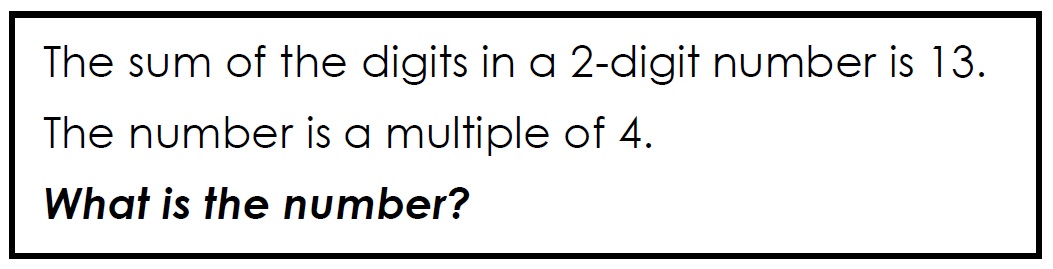
When children have a really secure understanding of place value, I love using sum of the digit challenges. Here’s the task we’re coming to later:

The build-up focuses on the meaning of the sum of the digits. We start by ordering 74, 312, 214 & 47, and identifying how many digits in each number. Then we work out the sum of the digits for each, noting that the largest number, 312, had the smallest digit sum. To consolidate this skill, we have a go at this:

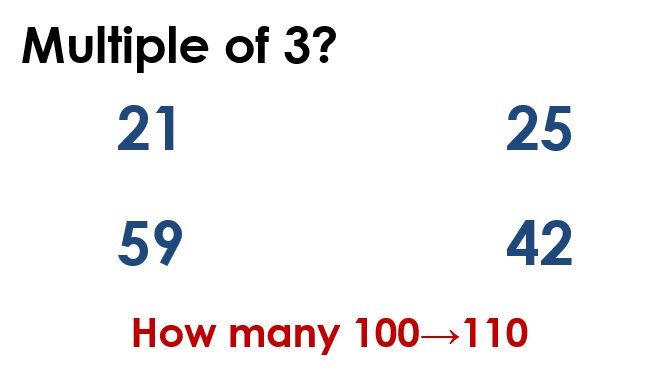
We also find numbers where the sum of the digits is 8. Example numbers that the children come up with include 53, 44000, 123500 and we even get an infinity sign for repeated zeros! Next, a quick recap on finding multiples:

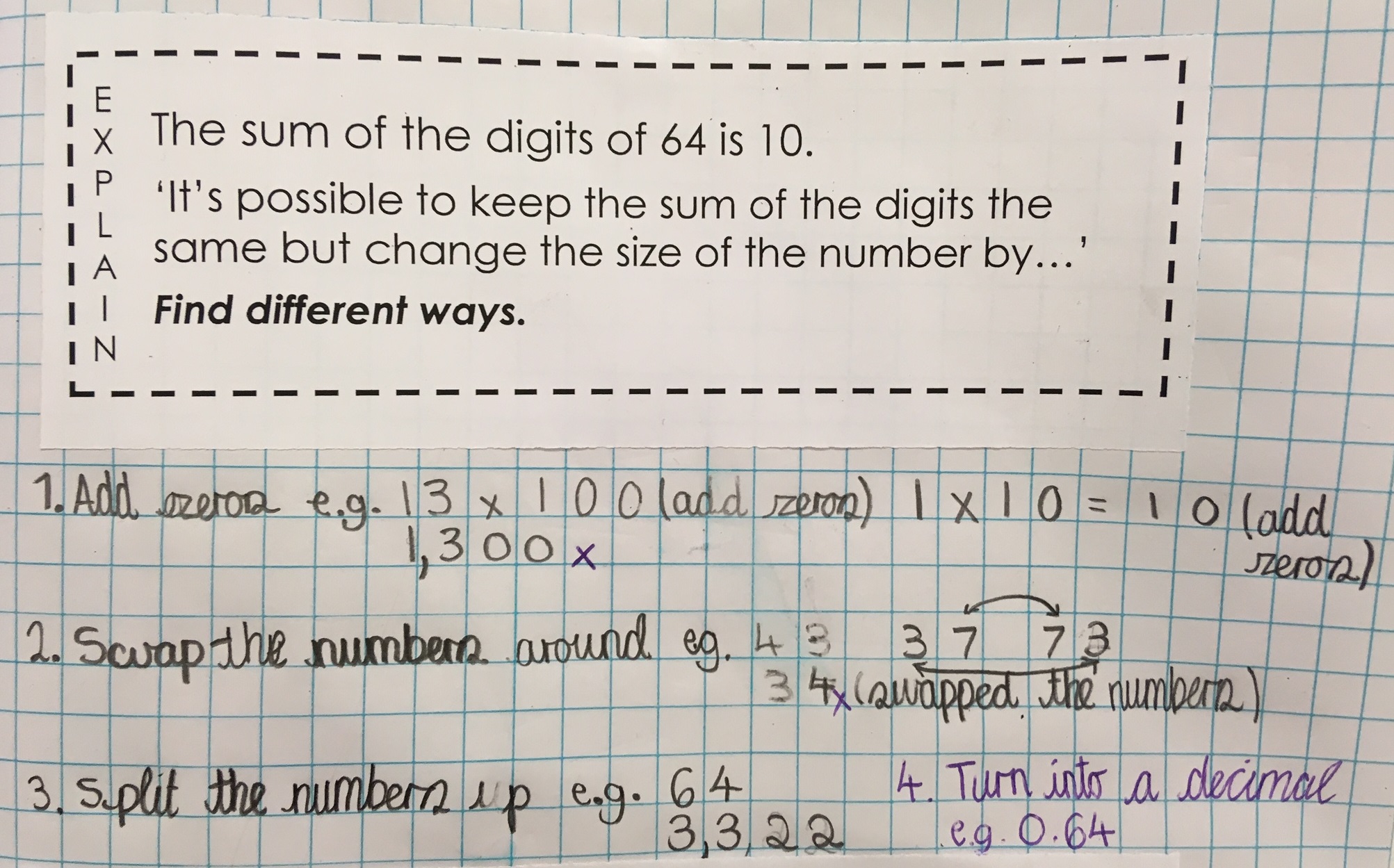
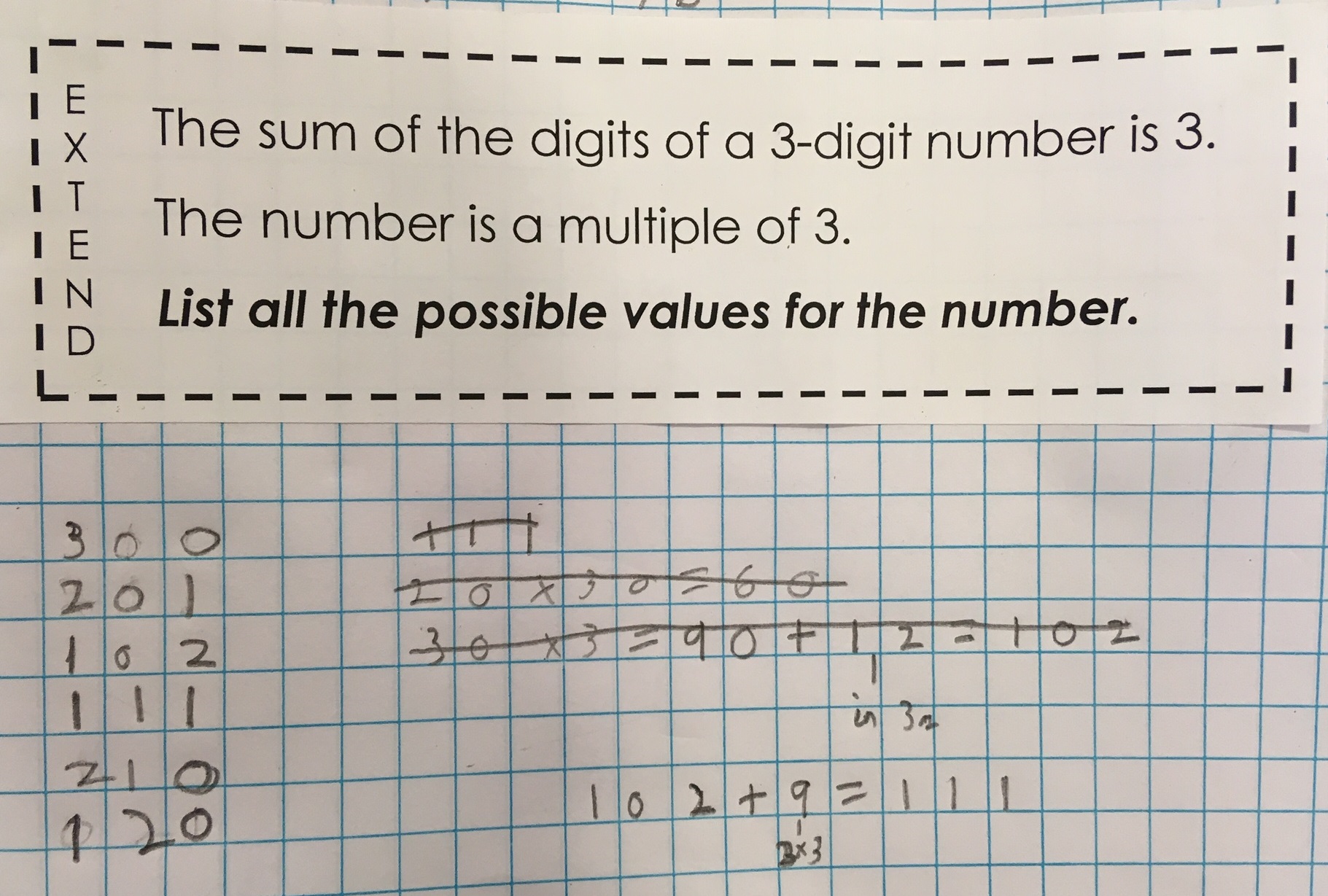
After this, we are into the main task (number with sum of digits of 13, multiple of 4). Discussions were held about where to start: listing the multiples of 4, or finding all the 2-digit numbers with a sum of the digits of 13? The key question, it was decided was ‘which narrows down the possible answers more?’ Once the answer was found (76) it’s onto the explain and extend tasks:


We also made the point that, for the example above, we don’t need to cross out those beautiful workings out!

I’m trying to make problem-solving accessible for all children, whilst ensuring that every child is challenged. I hope you find I See Problem-Solving super-helpful. The LKS2 and KS1 versions are in production!

Also in this series:
Equals Means Same As Task
Number Sequences and Negative Numbers

Learning to Problem-Solve: equals means same as

This is the third in a series of blog posts about how to systematically teach problem-solving skills using I See Problem-Solving, outworking the EEF research (recommendation 3) about using rich problems to learn mathematics.

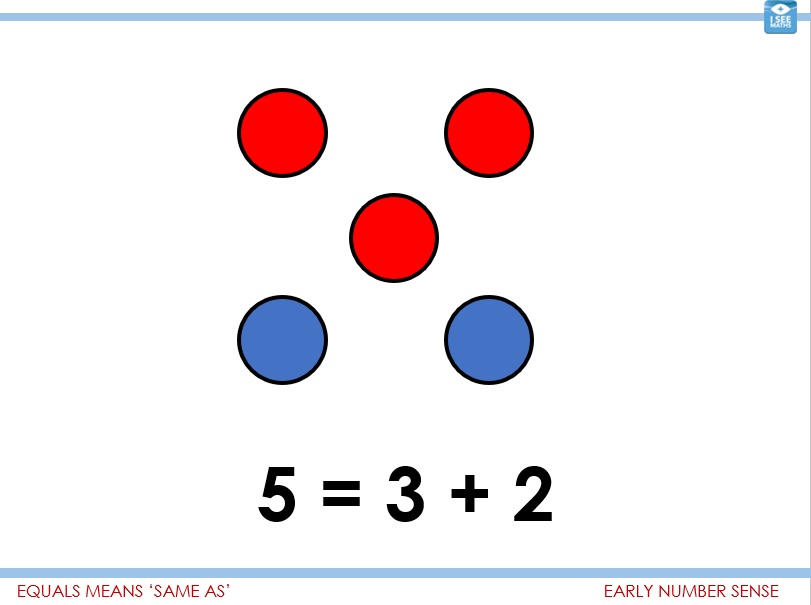
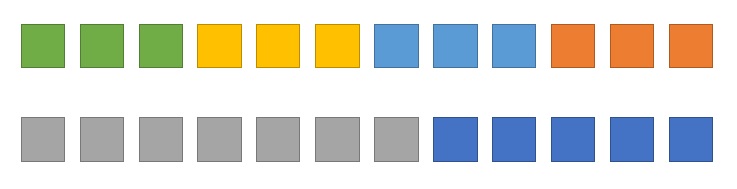
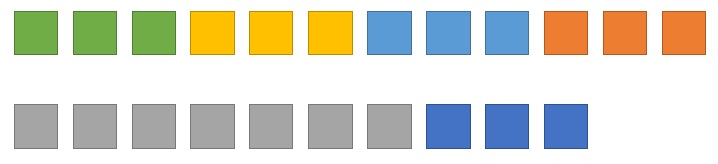
I’m in Y5, building up to a task which requires children to understand the meaning of the =, < and > signs. To help model this idea, I show the children an image that they may have seen in KS1 from the Early Number Sense I See Maths page: at first the circles are white; then we see them coloured red and blue:

A range of other visual representations are used to show equivalence, including the image below to represent 4×3=7+5:

And this one to show 4×3>7+3:

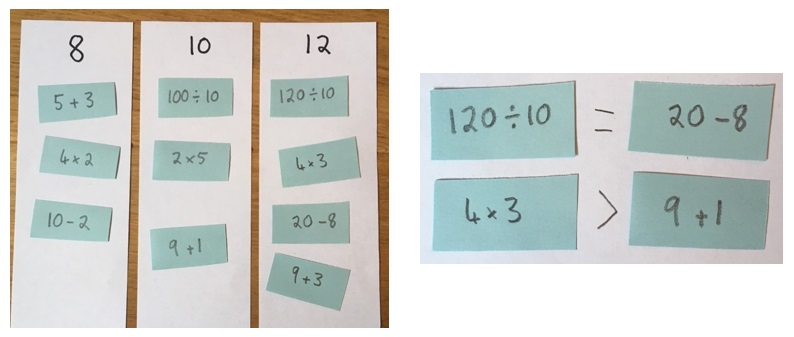
Then the children write part-number sentences using different operations that are equal to 8, 10 and 12. They are positioned on the correct board. After that, children move the statements to make balancing number sentences, and sentences using the < & > signs:

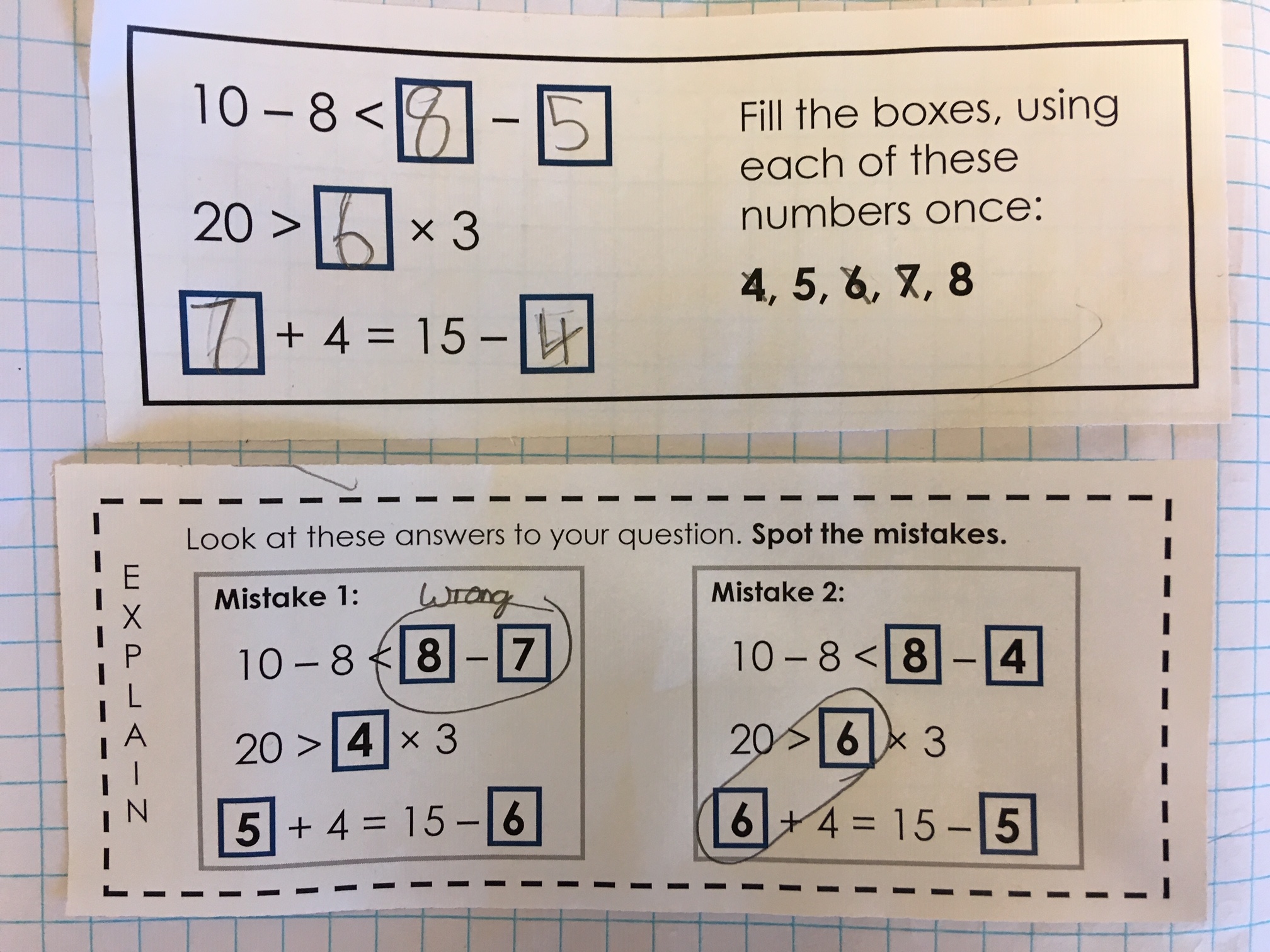
Now we are ready for the main task. The support feature gives a clue: start by thinking about where to position the 8. Some children progress to the explain task, spotting different mistakes:

There is a super-challenging extend task that some children will get to tomorrow. We continue to model = as balance using scales and Numicon.

I’m trying to make problem-solving accessible for all children, whilst ensuring that every child is challenged. I hope you find I See Problem-Solving super-helpful. The LKS2 and KS1 versions are in production!

Also in this series:
Number Sequences and Negative Numbers
Sum of the Digits Place Value Challenge