Questions and Images for Deepening, Part 3

This school year I’ve been blogging example activities, questions and images that I’ve used to extend mathematical reasoning with my class. Here goes for Spring 1:

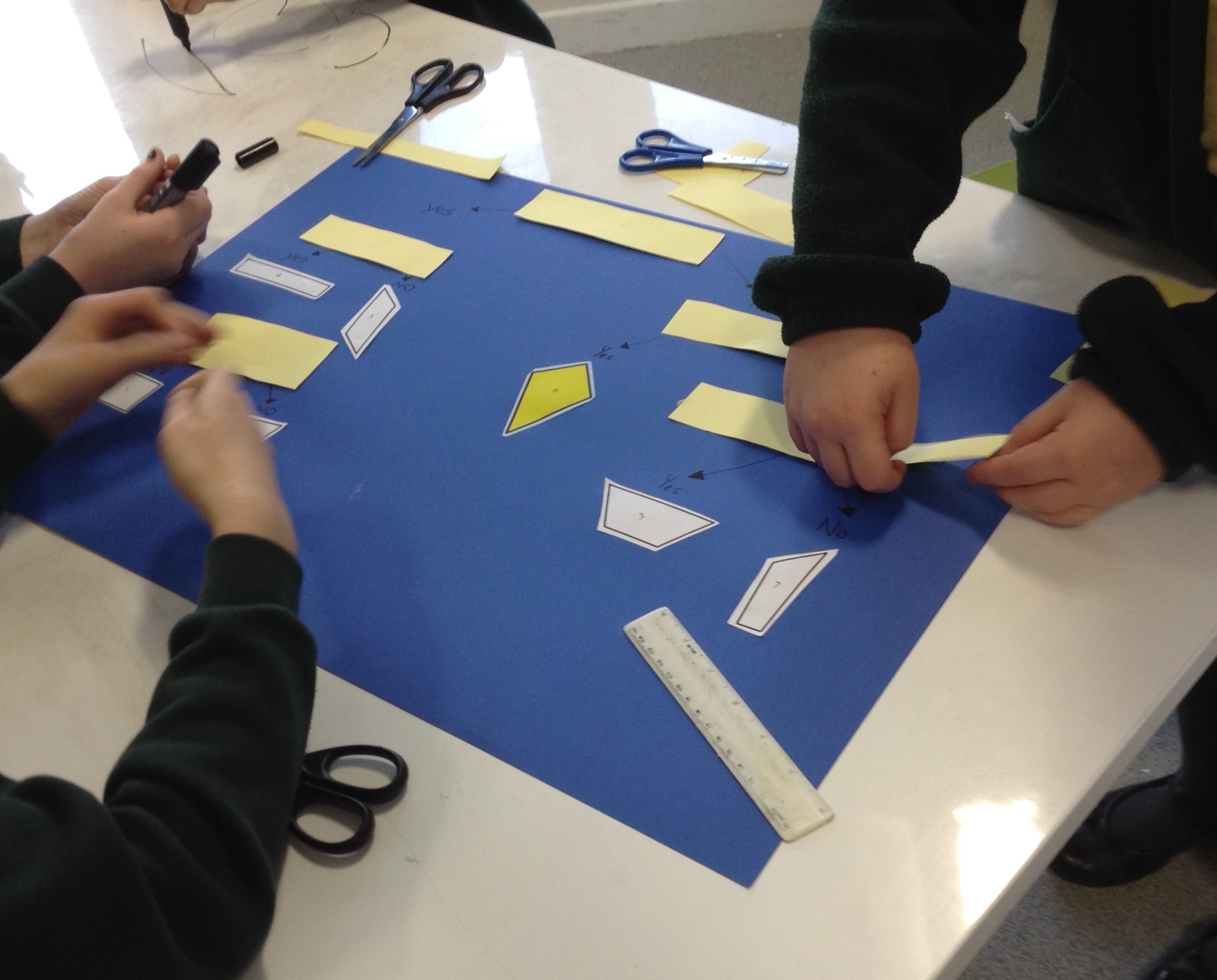
Sorting shapes using a branching database. Children create questions to sort, position the shapes then cover their questions. Other groups have to work out what their sorting questions are. This structure could easily be adapted and used with numbers.
Branch d

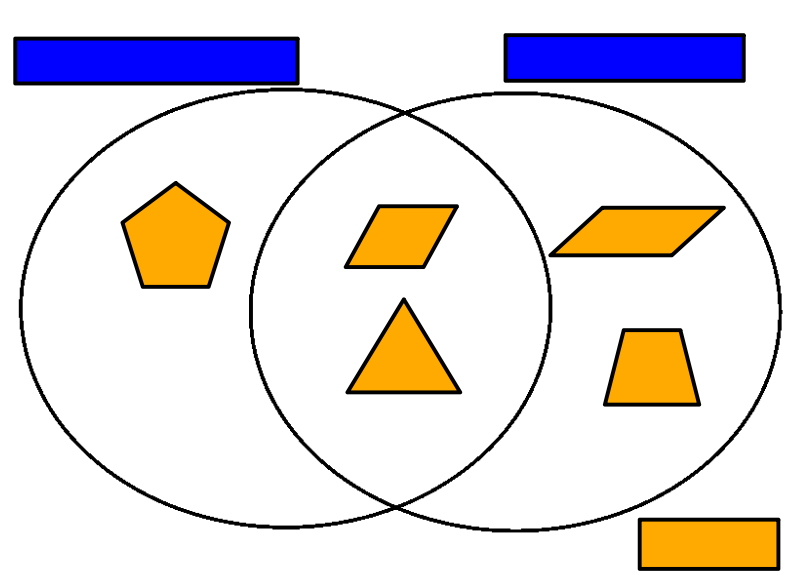
Similarly, classifying shapes in a Venn diagram, with children deducing the headings:
Venn shapes
‘All sides the same length’ and ‘At least 2 acute angles’.

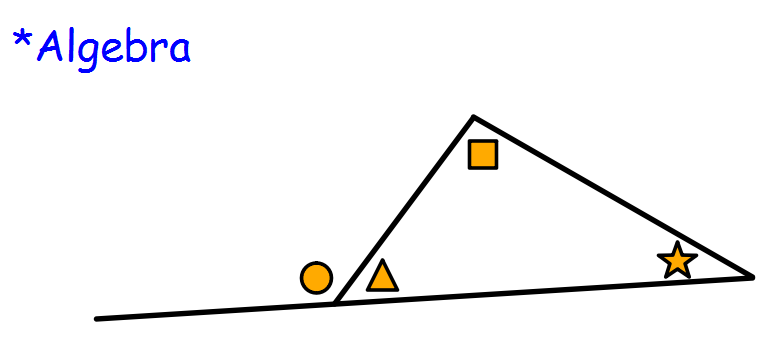
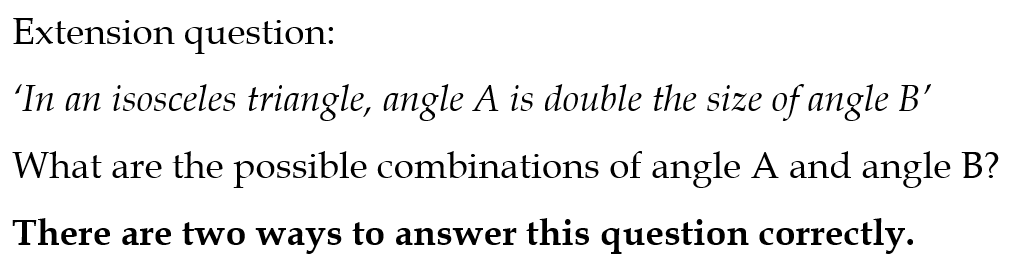
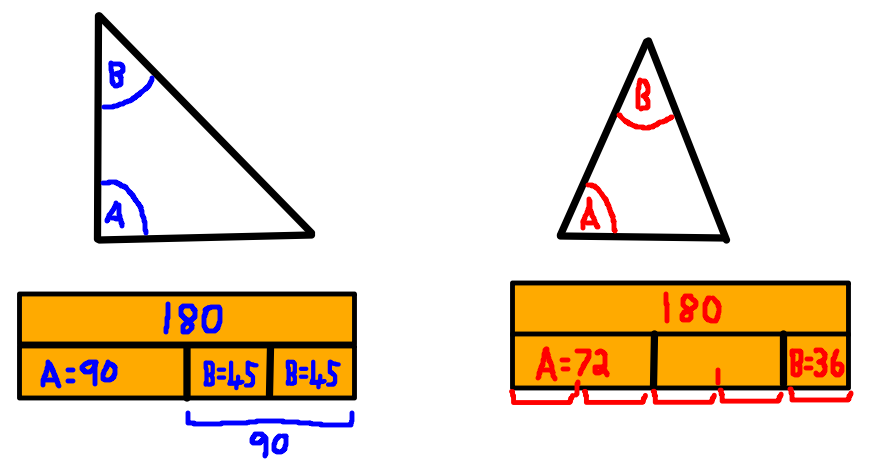
Here’s a reasoning question based on finding missing angles in an isosceles triangle, with two possible solutions represented visually:
Isosc tri q

isosc visual rep

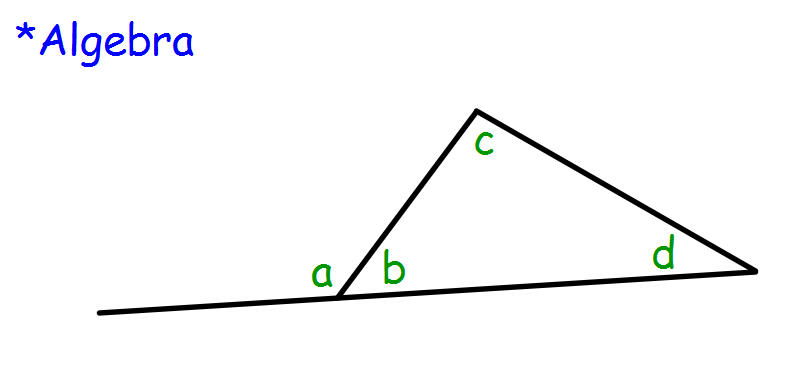
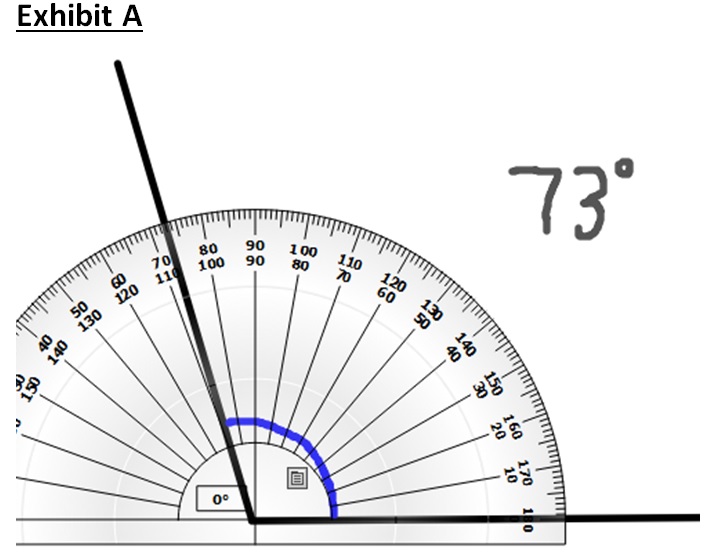
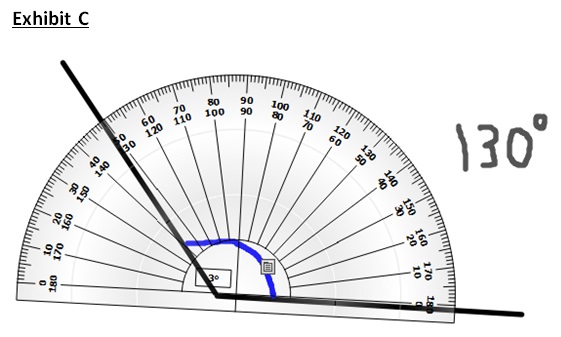
The following exhibits were used to allow children to unpick and explain the most common misconceptions when measuring angles:
Angle A Angle B Angle C

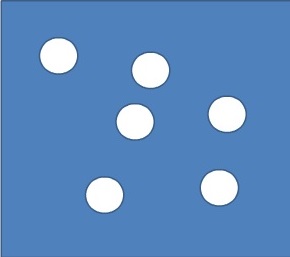
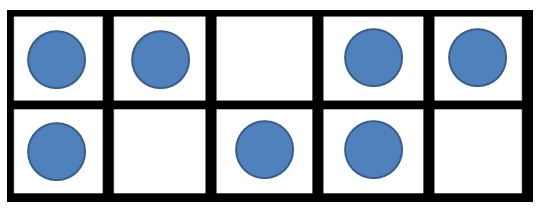
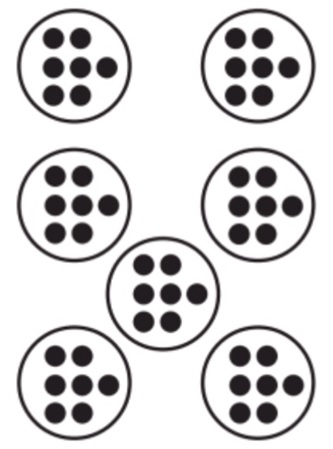
And finally I’ve posted various images of dot patterns that I’ve found for subitizing games. Children are asked to recognise without counting how many dots are in the given pattern (selected age-appropriately). The different ways in which the children visualised and broke down the number of dots in each image can be explored.

dots 1

10-frame image

dots

Since January I’ve also shut myself away and, as I’ve promised myself for ages,  finally spent time writing the Y4/Y5 follow-up to First Class Maths. I am 3 tasks (and a stack of trials/edits) away from completing it, which I’m very excited about – more updates to follow on this one soon. Have a great Spring 2!

Frozen Saltwater and Negative Numbers

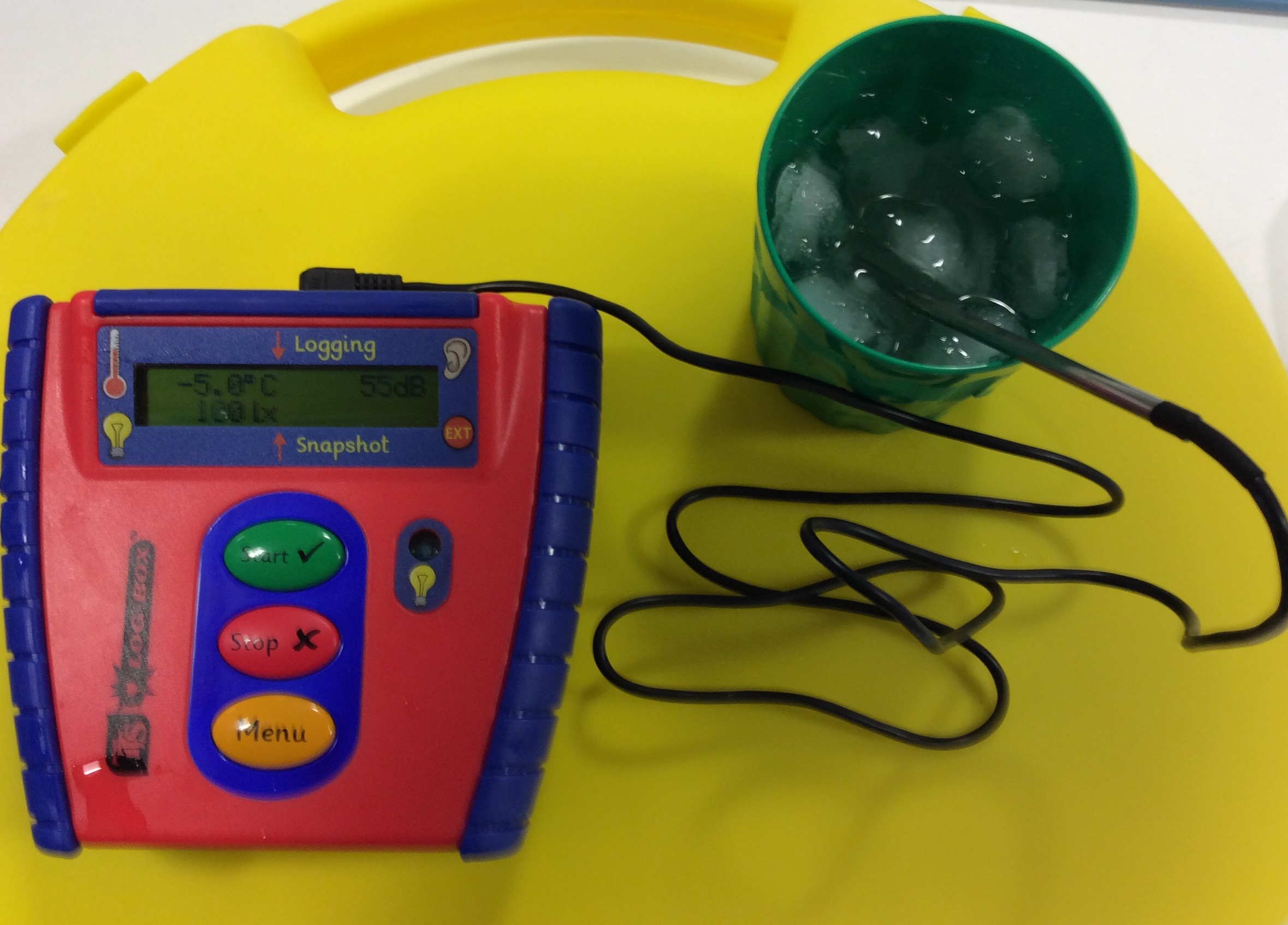
Much emphasis is now being placed on representing mathematics practically and visually (and quite rightly). For obvious reasons, it’s harder to do this with negative numbers. Here’s a classic activity that I came across on my first Primary Science Teaching Trust conference for showing children negative numbers in context. It can also be used to answer the question ‘Why do we put salt on the roads when it’s icy?’

Salt

Have a container filled with icy water and add quite a lot of salt. By putting the temperature probe into and out of the icy solution, the children will be able to see how the temperature changes (and how numbers change from positive to negative and vice versa) as the temperature goes above and below 0 degrees. Most dataloggers come with software that will allow you to graph this pattern as well as displaying the temperature.

By adding the salt, the freezing point of the solution becomes lower. At the maximum level of saturation for salt (according to Google), the freezing point for a saline solution is -21 degrees Celsius. This demonstrates that the salt doesn’t make the water hotter, as I’ve heard children suggest, but that it changes the freezing point. It’s also worth noting that if the temperature were to fall below -21 degrees it would be pointless to grit the roads.

This context could be used simply as a demo of negative numbers, or it could lend itself to a more extended scientific enquiry. Let’s just hope that thawing ice on the roads isn’t a subject that is too topical for too long!

Questions for Deepening Part 2

I’ve been on a mission this year to post lots of examples of questions and tasks that I have used on a daily basis to deepen the thinking of the children in my year 6 class. I’m also posting activities that I’ve seen used in classes throughout the school. Below are all my posts from Autumn half-term 2. I hope that there’s something here that you may find useful!

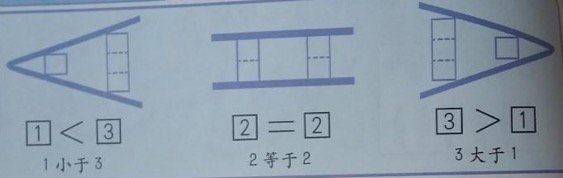
First of all, I found this image from a Chinese textbook showing how > and = signs are introduced:Croc

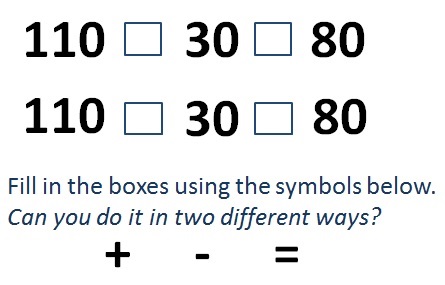
A task from Y2 that encourages children to use the = sign in different places:
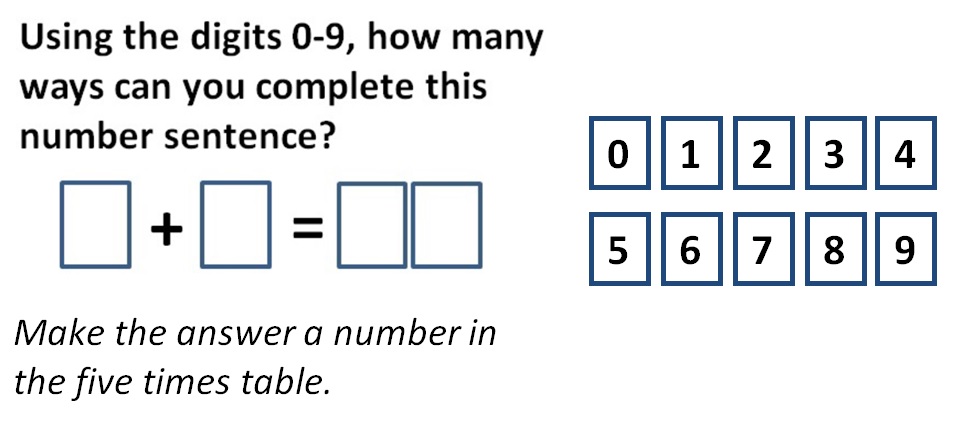
SymbolsA question which is very accessible but can be extended by children working systematically to find all possible solutions:
Addition reasoning

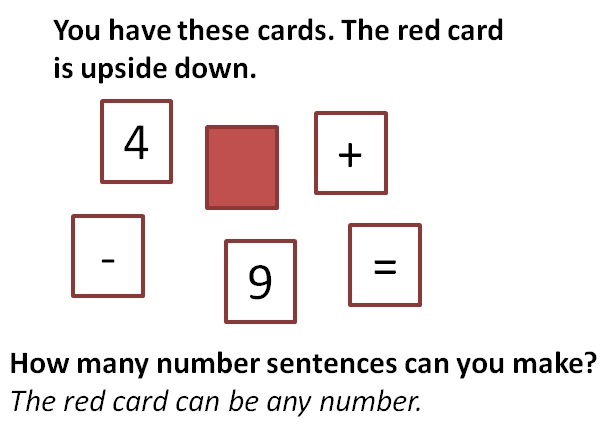
And another allowing children to explore parts and wholes:
KS1

An ‘immersion’ activity used to encourage children to see division as grouping (e.g. representing 26/3 as ‘how many 3s in 26?’):
Division immersion

And some questions that I’ve used with my own class.

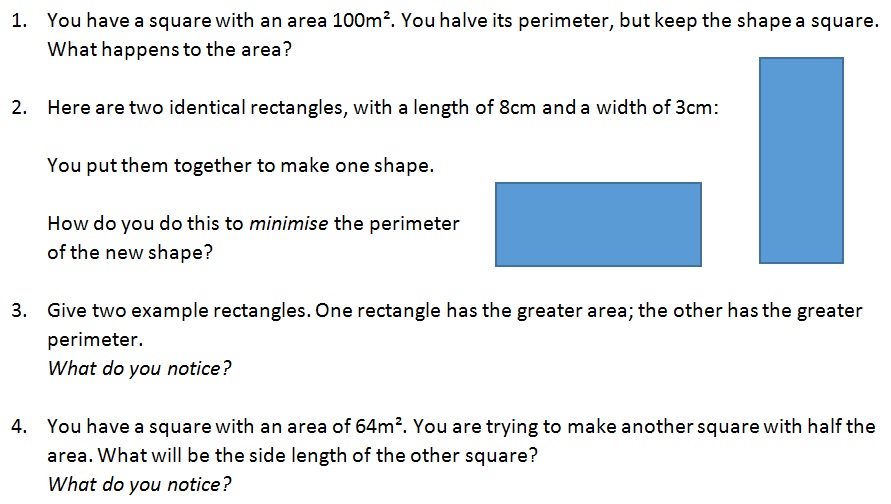
Area and perimeter:
area 1 area 2

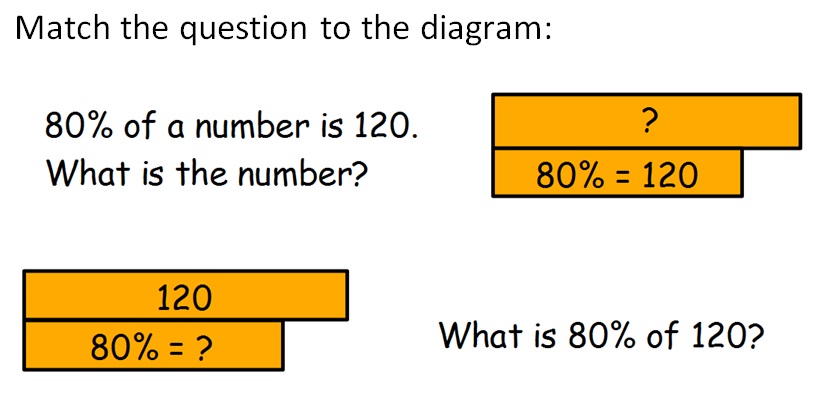
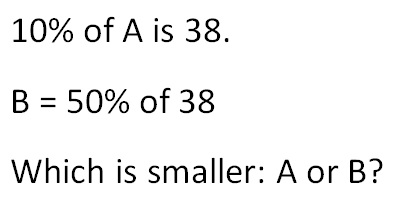
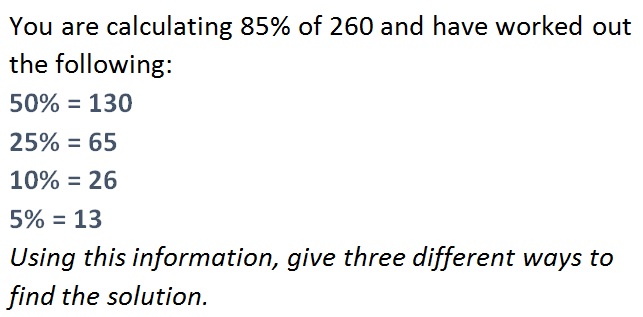
Percentages:
% 4 % 2 % 1Averages:
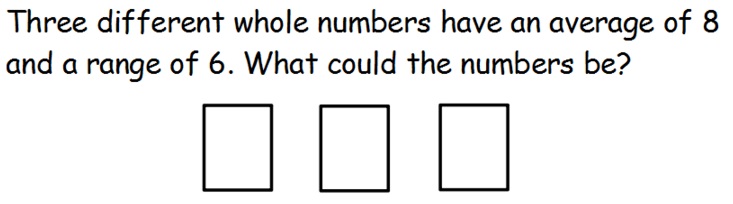
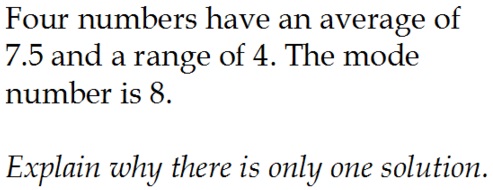
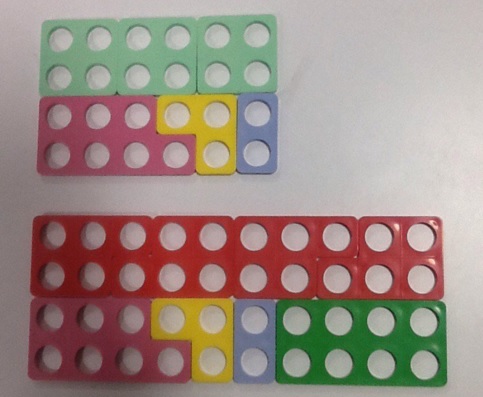
Average 2 Average 1 Average 3Below is the visual representation used to unpick that final question:Average 4

My favourite resources for providing deep, meaningful mathematical challenges are those that I have published with Alan Peat ltd. These are more rich, extended and often contextualised tasks.

First Class Maths provides deep, extremely challenging and quirky tasks.

The Maths Apprenticeship gives extended challenges for deepening mathematical and personal competence skills.

Logic Squares is all about getting children playing with numbers.

Questions for deepening

We’ve all read about the vision for ‘mastery’ learning in maths; I’d figured that what teachers want is to see actual examples that they might be able to use with their class. So once we got back from our residential, I decided to post pictures of questions that I use with my year 6 class (and the odd example from around the school) to deepen their learning. The reaction on social media has been very positive, so I’ve dumped them all on this blog.

At the start of the year I used one of my favourite questions:

Which two numbers have a sum of 9 and a difference of 4?

This one’s more complex than it may initially seem as the solution involves halves. An easier version is shown below:

Sara and John spent a total of 40p at the school council shop. Sara spent 10p more than John. How much did John spend?

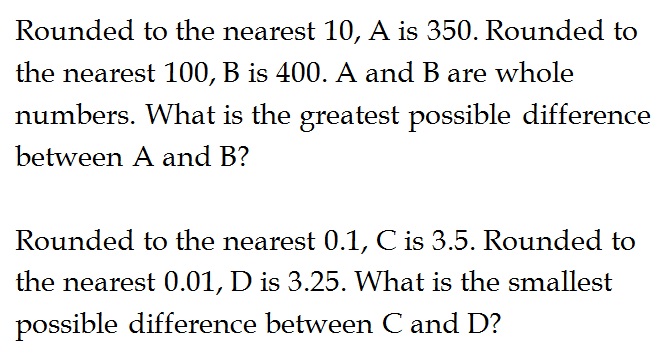
Then came deepening within rounding:
Rounding

A question exploring the difference between negatives & decimals:
How many time do you have to halve 128 until you get a negative number?

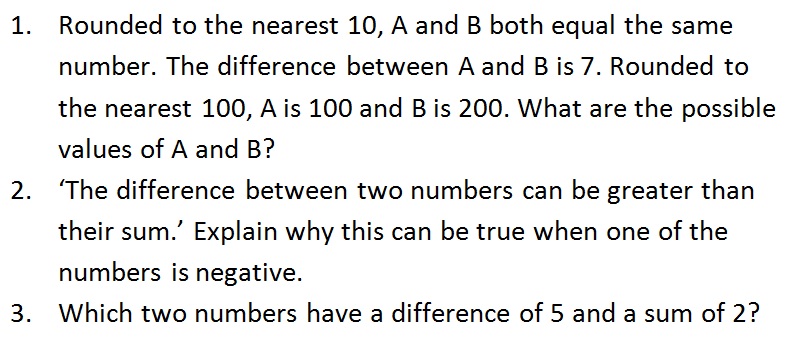
And drawing together rounding and negative numbers:
Tweet 2
Note that for question 3, one of the numbers is negative.

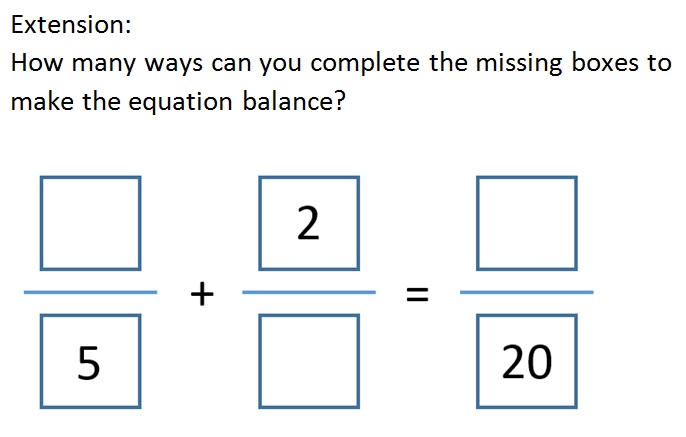
Two fractions questions with multiple solutions:
F 2 TwitterF Twitter

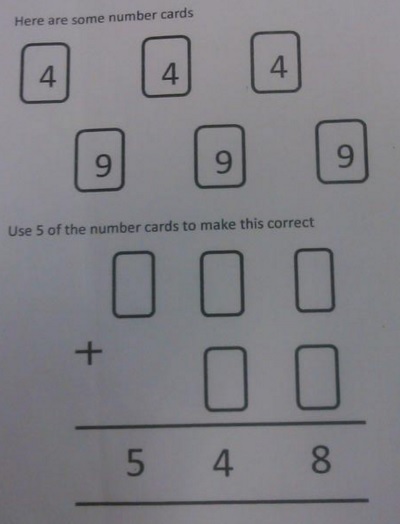
A year 4 question looking at deepening vertical addition:
Addition

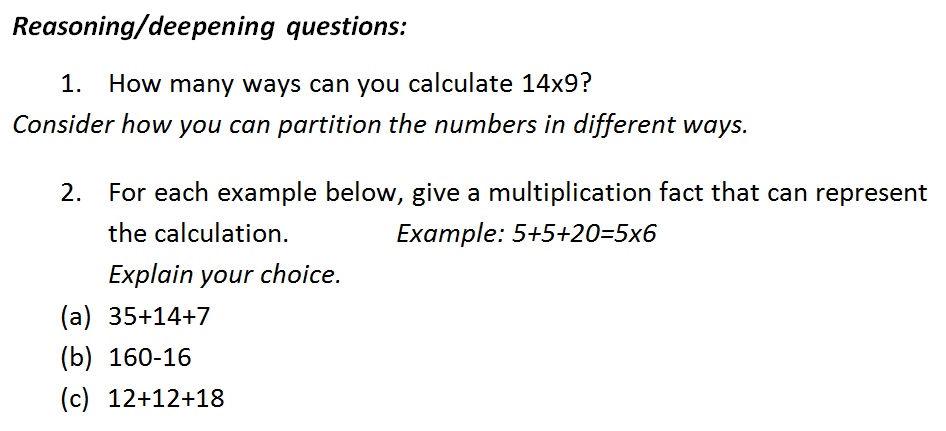
And finally reasoning in multiplication:
Multiplication 1
Multiplication 2

I’m hoping to keep these posts coming (Twitter @gareth_metcalfe or FB Gareth Metcalfe Primary Maths) and, in the fullness of time, to make freely available a set of deep reasoning questions for all year-groups. If you’ve found it useful, or you know someone who might be interested, please share this blog post!

My maths resources, published by Alan Peat ltd, have also been designed to deepen children’s experience of maths.

First Class Maths provides deep, extremely challenging and quirky tasks: https://garethmetcalfe.wordpress.com/2015/02/01/first-class-maths-curious-and-challenging/

The Maths Apprenticeship gives extended challenges for deepening mathematical and personal competence skills: https://garethmetcalfe.wordpress.com/2014/05/22/tma-the-how-to-guide/

And Logic Squares is all about getting children playing with numbers: https://garethmetcalfe.wordpress.com/2015/10/03/the-learning-in-logic-squares/

The Learning in Logic Squares

There are lots of maths apps on the market: most are visually appealing and allow children to rehearse key mental maths skills. What more does Logic Squares have to offer? This blog gives six reasons why Logic Squares takes children’s learning to a deeper level.

Accessible challenge
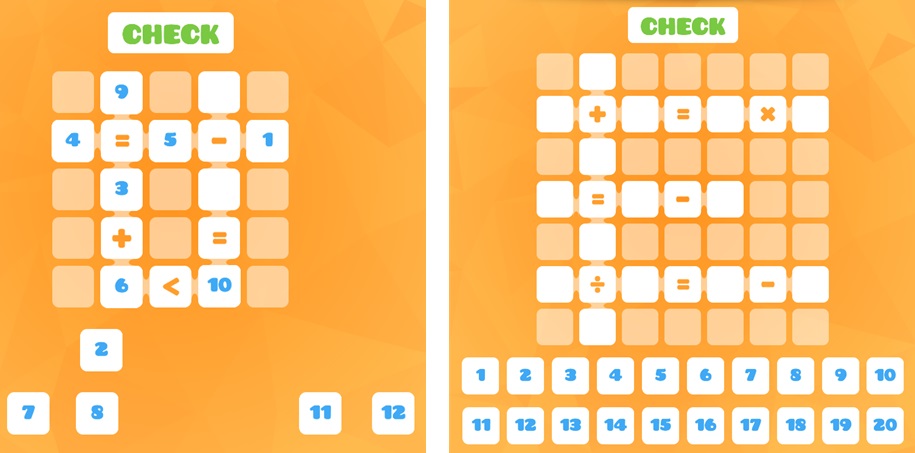
Accessible 4
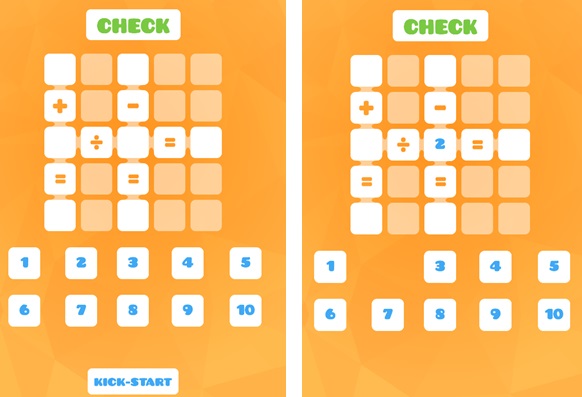
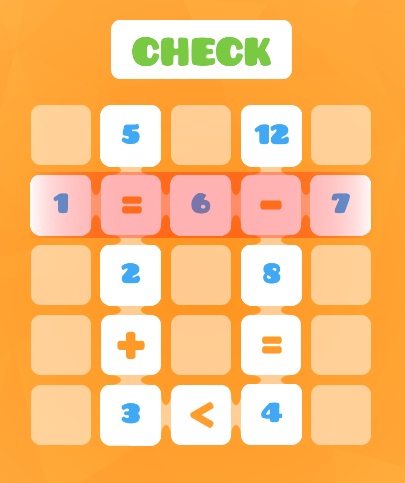
At the start of each level, the player can select ‘kick-start’. This will put one of the numbers into position, giving a significant clue to help the player to unlock the level. In doing so, the levels are made more accessible for children of different abilities. There are a range of solutions for each level.

Useful feedbackIMG_1719
When the player clicks ‘check’ any lines that are incorrect are highlighted in red. Then the player can re-position the numbers having seen their mistake(s), allowing them to address any misunderstandings in a non-threatening way.

High thresholdchallenge 2
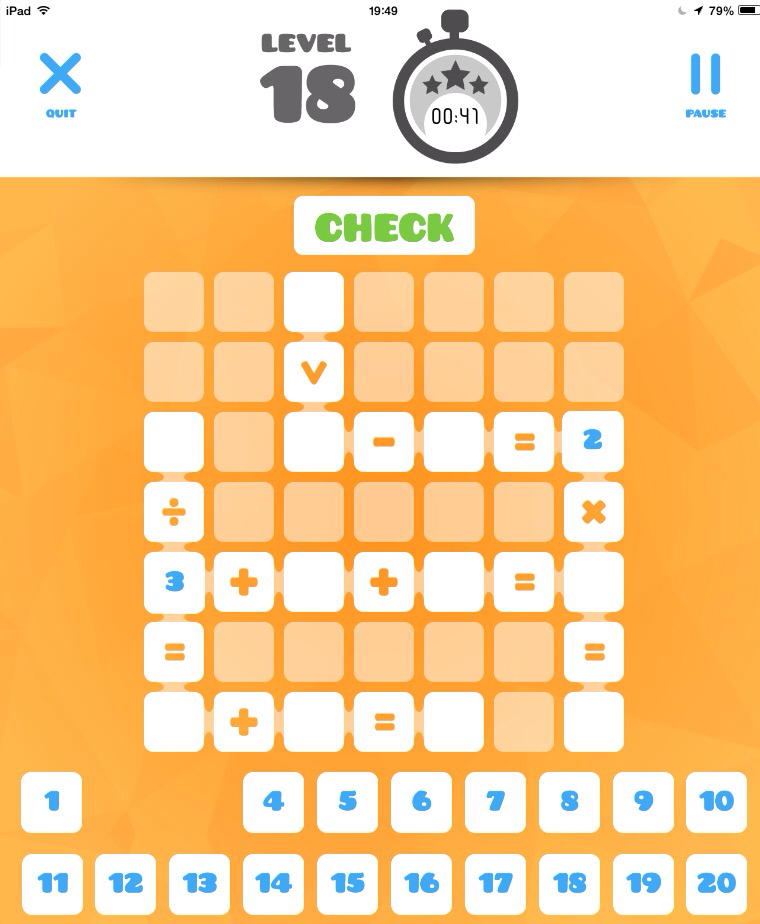
By the end the levels will stretch even the most able primary child. Take level 18 (using 1-20). Can the children reason as to why the number positioned has to be a 2? Children have to identify the lines with fewer possible solutions and learn to complete these parts first.

Supports understanding of = and > signs
equality
Children’s understanding of = as ‘same as’ rather than ‘makes’ will be secured. The example on the left shows how the common structure ___ – ___ = ___  is reversed to ___ = ___ – ___. The grids from level 16 onwards are 7×7, allowing for two numbers either side of the equals sign. < and > sings are used throughout.

Subtraction as difference
subtraction
Let’s assume the children start level 11 by filling in the bottom line. They may complete a vertical line using the most straightforward calculation that comes to mind (4-3=1). Soon they’ll realise that they need to be more selective in their use of the smaller numbers; larger numbers can be used in subtractions, considering differences.

Understand how to manipulate numbers in calculations
IMG_1711
On level 12 the player has got to this point and has realised they are unable to complete the last line. Which is the first line to try to alter?The vertical line on the right hand side? Unlikely to work. The middle horizontal line? The 6 and 5 aren’t interchangeable; also, neither number could be used in the position of the 1. But switch around the 4 and the 2 and we have a solution!

So that’s how Logic Squares gets children playing with numbers and exploring key mathematical concepts in a fun, non-threatening way.

To see level 10 in detail, read the blog:
https://garethmetcalfe.wordpress.com/2015/08/31/logic-squares-the-strategy-maths-app/

Logic Squares for the iPad is on sale in English:

Logic Squares: the strategy maths app

Logic squares is a maths app soon to be released by Alan Peat Ltd. Players will learn to manipulate numbers within calculations, becoming increasingly strategic in their thinking as the levels progress in difficulty.

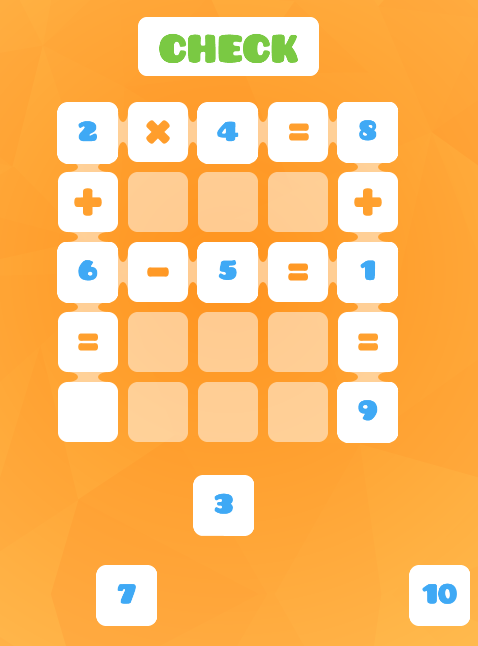
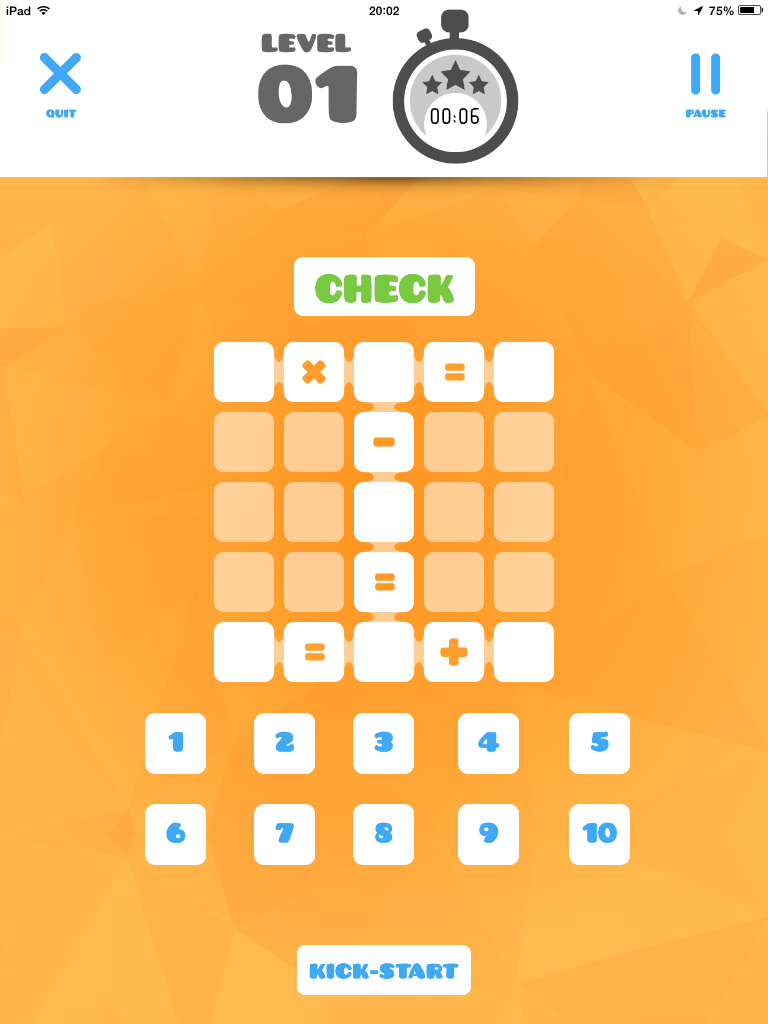
The rules are simple: fill the gaps using the numbers provided to make each line correct. To make the levels more accessible, a ‘kick-start’ button can be pressed at the start of every round which positions a number automatically. Mistakes are highlighted in red when the player clicks ‘check’, directing the player to any errors so amendments can be made.

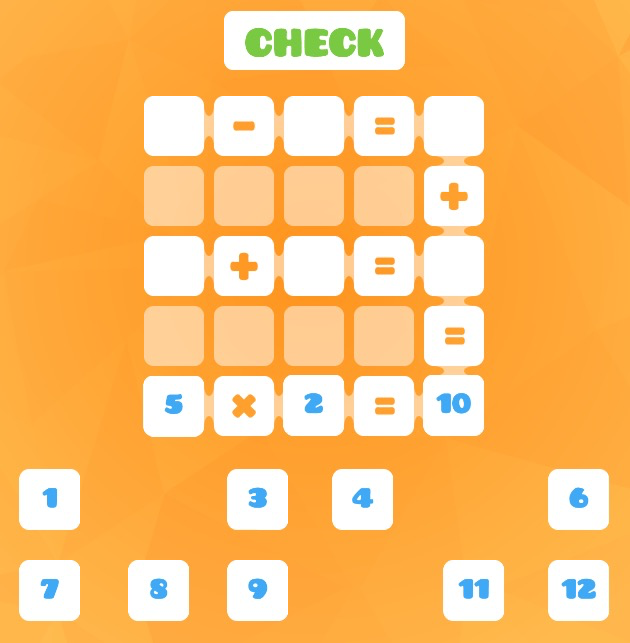
Levels progress from more straightforward:

To the very challenging:

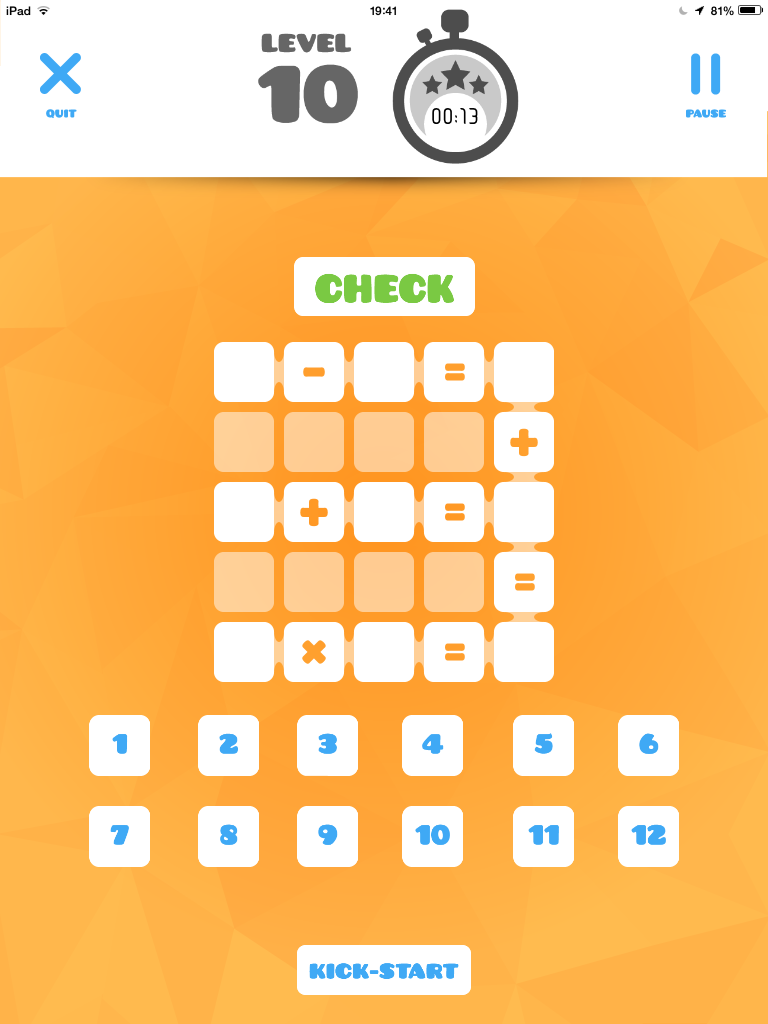
Let’s look at level 10 in detail and the kind of thought processes that the children will need to go through to answer it successfully.

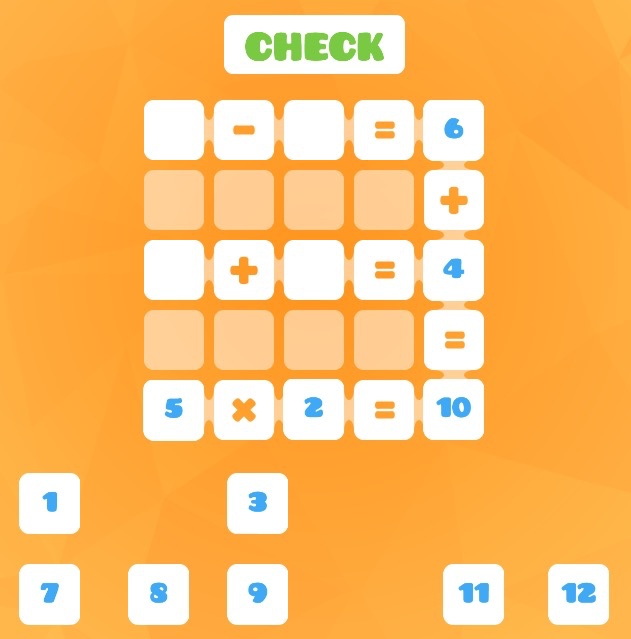
Firstly (and crucially) children need to think carefully about their starting point. If they start with the addition and subtraction lines and ‘fill in’ the multiplication line last, they are unlikely to find a solution as there are far fewer ways to complete the multiplication. And which multiplication to choose: 3×2? 5×2? When you look at the right hand column (__+__), probably the one with the higher product. Let’s assume that the player’s started with 5×2=10:

So a logical next step would be to find two numbers that add to make 10. Which combination of numbers is best? And which way around should the numbers be positioned? Consider this:

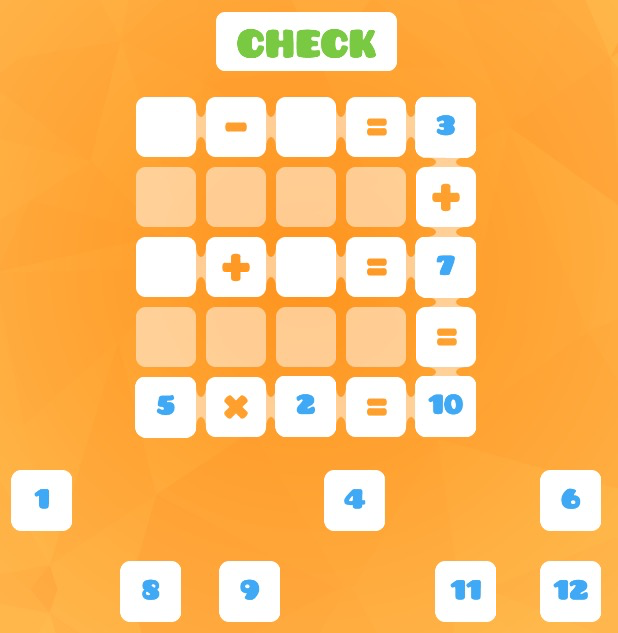
The 4 can be made with the 1 and the 3, but with the larger number (the 6) being on the top line and all the smaller numbers used up, it’s not possible to make the top line correct. An adjustment’s needed. The player may realise that it’s easier if the larger number’s used as the answer to the addition rather than the subtraction. Say 7 and 3 are tried next:

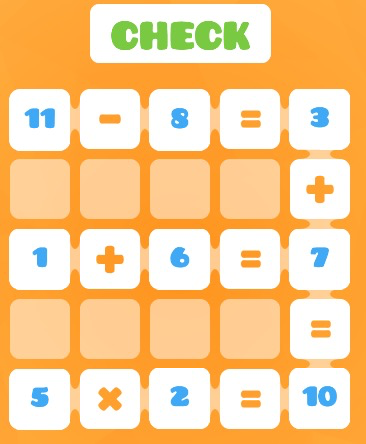
Now the player’s in a position to find a solution (there are multiple solutions for all the levels):


I’m going to produce videos demonstrating the process of completing 3 of the levels that teachers can show to children, to make the learning from the tasks explicit. However, the thing that I love about Logic Squares is that it’s in the (highly addictive) process of trial and error, seeing links and spotting mistakes, being frustrated then finding a way to overcome, that the majority of the learning takes place. By the time the children get to level 25, they’ll have honed a wide range of crucial mathematical skills and ideas. Enjoy!

Reasoning tasks to start the school year

I came across this puzzle in a book full of questions that were on 11-plus tests in the 1940s and 1950s under the ‘General Intelligence’ section (couldn’t use that term nowadays!). It’s a great one for getting the children to reason in a non-standard context:

The leader of a Guide patrol is named Mary Jenkins; so her surname is Jenkins, her Christian name is Mary, and her initials are M.J. There are 6 other girls in the patrol; each has 2 initials. Surnames: Brown, Smith, Evans, Clark, Jones. Christian names: Molly, Celia, Gwen, Ruth, Sally. Two girls have surnames and Christian names beginning with the same letter; two others are named Ruth. One of the twins has the same initials as the leader and the other has the same Christian name as Evans. Write down each girl’s full name.

Here’s a typical route for answering the question:
*There are 6 girls but only 5 surnames/Christian names – there are two Ruths and there are twins.
*To have the same initials as the leader, one twin is Molly Jones.
*The other twin must be Ruth Jones (same Christian name as Evans, only repeated name is Ruth). This also gives Ruth Evans.
*Two Surnames/Christian names with same letter, Sally Smith and Celia Clark
*One Christian name and one surname left, Gwen Brown

I then give children this question to show how they can use the same kind of logical reasoning to answer a more ‘standard’ maths question:

Use the following digits once to make the calculations correct: 7, 6, 3, 9, 8

_______ x 3 = 18 + _______

2 < 9 – _______

_______ / 2 < 4

_______ + 8 > 2 x 2 x 2 x 2

Here’s a typical route to solve the problem:
*2 x 2 x 2 x 2 = 16 so 9 is the only number that can go in the last gap.
*There are two combinations that make the top line balance (7&3, 8&6) but the 8 can’t fit in any of the other gaps, so it must be on the top line with the 6.
*You are left with 7 and 3. Either number can go on the 3rd line but the 7 doesn’t fit the second line, therefore 3 is on line 2.
*By process of elimination, 7 must be on line 3. It is Gwen Brown – the leftover number!

These principles could then be applied and extended in a range of other contexts: for example, Ken Ken puzzles rely on very similar logical thought processes. I will be using these two questions at the start of the school year as I look to establish a positive mathematics culture with my new class.

A Shift in Primary Maths: England and America

It’s an interesting time to be involved in primary mathematics. In September 2014, at the same time as teachers in England were getting their heads around the changes to the curriculum, our colleagues in America were being asked to embrace a new, much-debated approach to teaching math – the Common Core State Standards.

The common core represented an idealogical shift in approach to math teaching in response to the criticism that American math curricula was ‘a mile wide and an inch deep’. Fundamentally, it was about making math a more conceptual, interconnected and deep subject, rather than a procedural one. The standards mandate that the following eight principles are taught:

IMG_0477.PNG

The changes to the maths curriculum in England were also built on an ideological shift to a ‘mastery’ curriculum, with  calculation concepts being developed through conceptual understanding, children able to reason mathematically and solve a range of problems. The parallels between the changes made in England and America were clear.

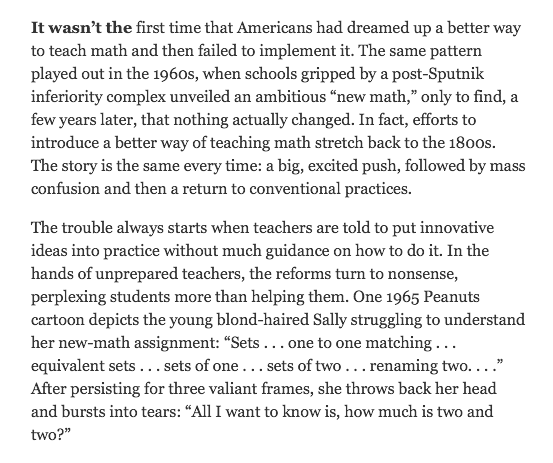
Will these curricula changes result in improved learning outcomes? Curriculum change is nothing new, as this article from the New Tork Times points out:

IMG_0478.PNG

If the reforms are to have a lasting and significant impact, I believe the following two points are crucial:

HOW > WHAT
Changing curriculum content rarely has a significant impact on attainment; improving teaching pedagogy, though, has much greater power. The launch of the new maths curriculum is therefore only the start of the change process – more significant are the processes that are put in place now to allow teachers to develop their teaching. The maths community needs to provide a clear and exciting vision for the new maths curriculum; there need to be better maths resources available, especially in relation to non-standard problems; and a culture of challenge and trust needs to be instilled between school leaders and staff to allow teachers to develop their practice. The process of implementing the new maths curriculum is very much in its infancy, and patience is needed. It needs to be brought to life for teachers in vivid colour.

CHANGING IDEOLOGIES
The alterations to the curriculum, both in America and in the UK, are designed to fundamentally change the perception of what mathematics is. We are selling a change in mindset, and as such a strong and convincing narrative must be provided if people are to understand and buy into this new philosophy. Children need to understand (and be able to articulate) what it means to think mathematically. Included in this is the fundamental belief that we all have the capacity to succeed in maths given the right experiences. All too often, children who have had fewer, or less effective, early maths experiences develop negative perceptions of mathematics and become labelled ‘lower ability’. The challenge for us all, therefore, is about how we ‘sell’ mathematics as well as how we teach it.

I hope that, as a profession, we can enable children to experience the true joy of mathematics, rather than the watered-down version that so many adults experienced in their own school days.

Cultural legacy and achievement in maths

This is an exciting time to be involved in maths education, with positive steps being taken to make the curriculum deeper and more conceptual. There’s also a growing awareness that children need to develop a positive self-concept of themselves  as mathematicians and problem-solvers. Our ambition to replicate the mathematical success of East Asian countries has been the driver behind these changes; without doubt there’s a lot that we can learn (and have learnt) from the teaching and learning of maths in these countries.

However, I believe that we can’t look at the success of these Asian nations in mathematics in isolation, without also considering the powerful influence of cultural norms within these countries. This was highlighted very thoughtfully by Malcolm Gladwell in Outliers, a book which studies the roots of success for individuals or groups of people whose achievements sit beyond normal parameters.

Outliers

Gladwell looked specifically at six nations whose results topped the TIMSS international comparison tests for maths – Singapore, South Korea, China, Taiwan, Hong Kong and Japan. Historically, the culture of these five nations were built, Gladwell described, by the tradition and legacy of wet rice agriculture.

Growing rice required extraordinarily precise management of a paddy: irrigation systems needed to be built; water levels had to be precisely managed; the ground must be perfectly flat; seedlings had to be planted and cultivated with great precision. The variability of a yield could be great, and it would be determined by the management of the rice paddy. Gladwell argued that it was this legacy – a culture rooted in the principle of hard, complex work leading to rich rewards – that has led to the phenomenal subsequent success of these Asian countries in mathematics. But how was Gladwell able to draw these conclusions based on the results from the TIMMS tests?

The TIMMS international comparison tests are long and tiresome, being made up of 120 questions. As part of this analysis, the number of questions completed by participants from each country was also analysed. The results were startling. There was an incredibly strong correlation between the number of questions attempted and mathematical attainment. In fact, the results were almost identical: countries with the most successful mathematicians were those who persevered for the longest when completing the test, and vice versa. The data suggested that the willingness to persevere was an unbelievably powerful predictor of success, specifically in maths.

And which countries’ students persevered for the longest? Those whose tradition and culture were shaped by the lessons of rice cultivation. This attitude is neatly exemplified by the Chinese proverb ‘If a man works hard, the land will not be lazy.’ And how richly this principle applies to success in mathematics.

We clearly have a lot to learn pedagogically from the highest performing nations in maths. Importantly, though, I believe that we must also become increasingly proactive in developing positive attitudes towards maths, even if it’s just within our own small circles. After all, we might not be able to control attitudes towards maths at a macro level – but we do have a powerful influence within our own schools. Ultimately, this is a critical factor in determining the extent of children’s achievement in mathematics.

The blog below shows how we have tried to develop a positive mathematical culture within our own school: https://garethmetcalfe.wordpress.com/2014/08/25/establishing-a-mathematical-culture/

Developing reasoning in daily maths lessons

The new maths curriculum requires children to become fluent with number whilst developing the ability to reason mathematically and problem-solve. To achieve this, children will need a broad range of mathematical experiences. Here, I will share a small piece of this jigsaw: how a ‘traditional’ maths lesson – a lesson aimed at developing fluency – can be tweaked to incorporate reasoning and problem-solving skills.
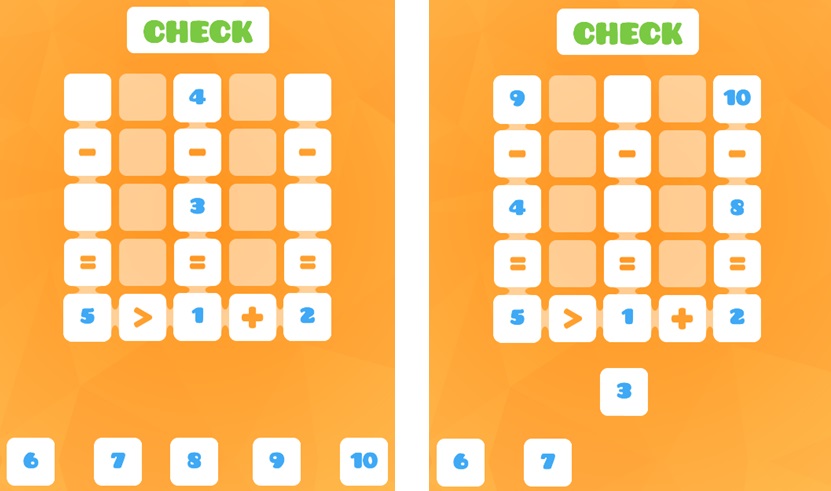
The procedural skill introduced in the lesson centred around the use of brackets. However, there are two fundamental mathematical principles that are also being developed here: the use of inverse, and the understanding of the = sign meaning ‘same as’ rather than ‘makes’. This is reflected by the questioning (mid level of difficulty) as shown below. There is a gradual progression in the structure and depth of the questions, challenging the children’s understanding of the concepts in a non-routine way.

Aiming HigherQuestion 5 is then used to extend the reasoning element by using the ‘how many ways?’ structure. This challenges the children to work systematically to find all possible solutions.
These principles can be used for children of all ages. For example, presenting subtraction calculations in the following order will encourage children to reason about the underlying structure of subtraction:

13 – 8

12 – 7

11 – 6

Equally, consider how the following equation helps a child to develop their conceptual understanding of multiplication and of the = sign:

4 x 5 = 4 + 4 + 4 + 8

Also, the ‘how many ways…’ question structure is enormously adaptable, allowing you to build reasoning into maths lessons on a daily basis. I hope it’s a little technique that some people may find useful!